
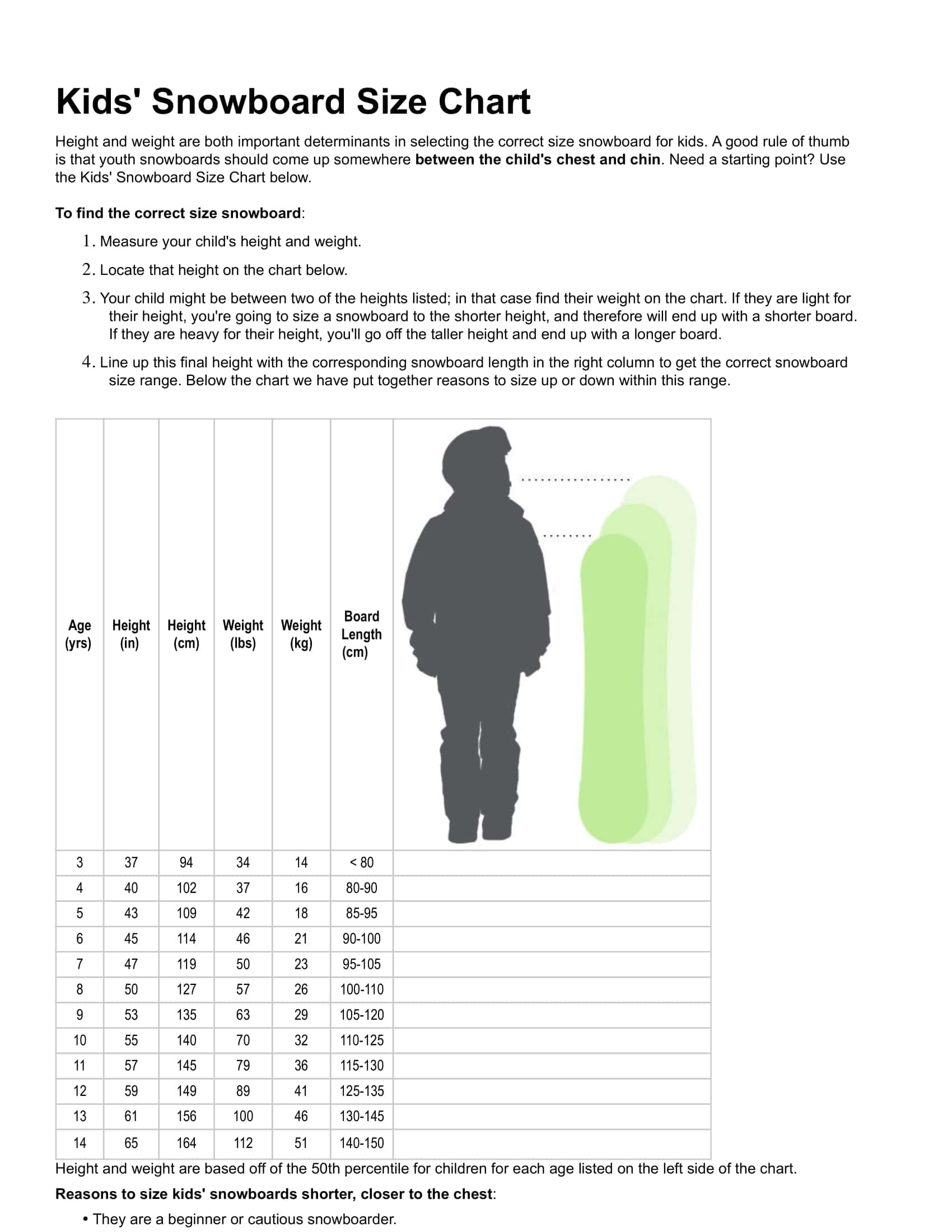
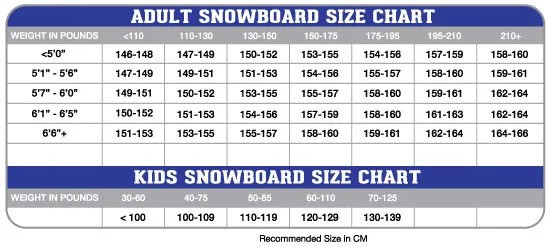
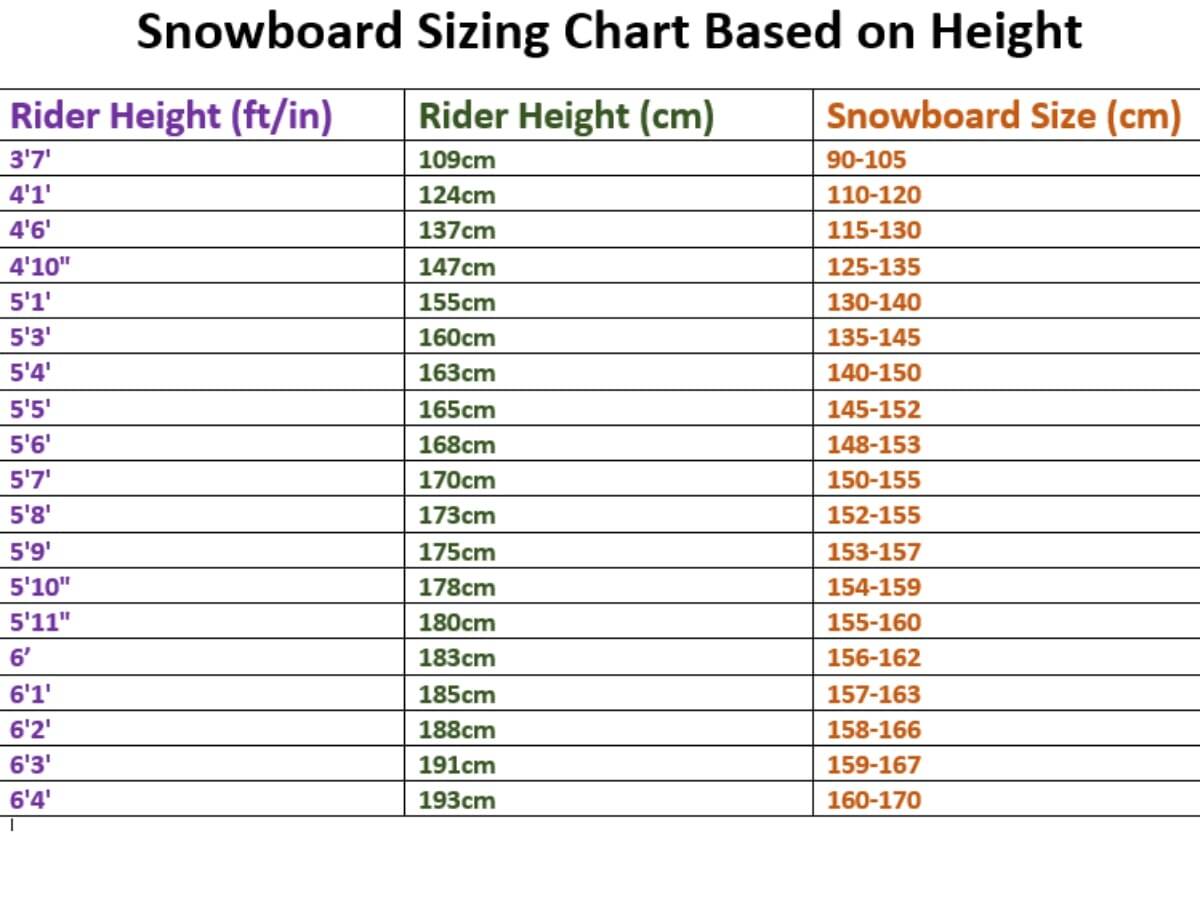
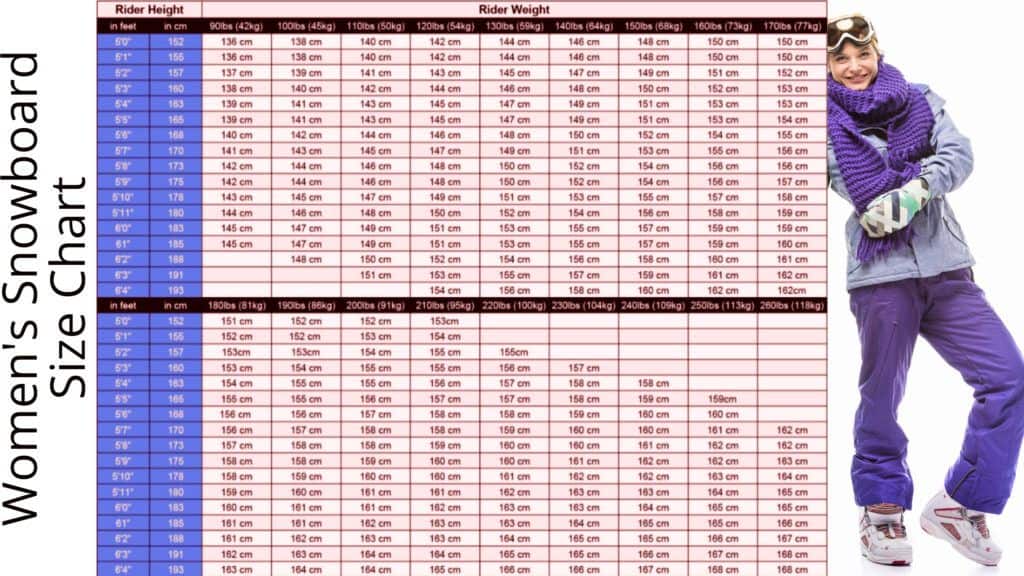
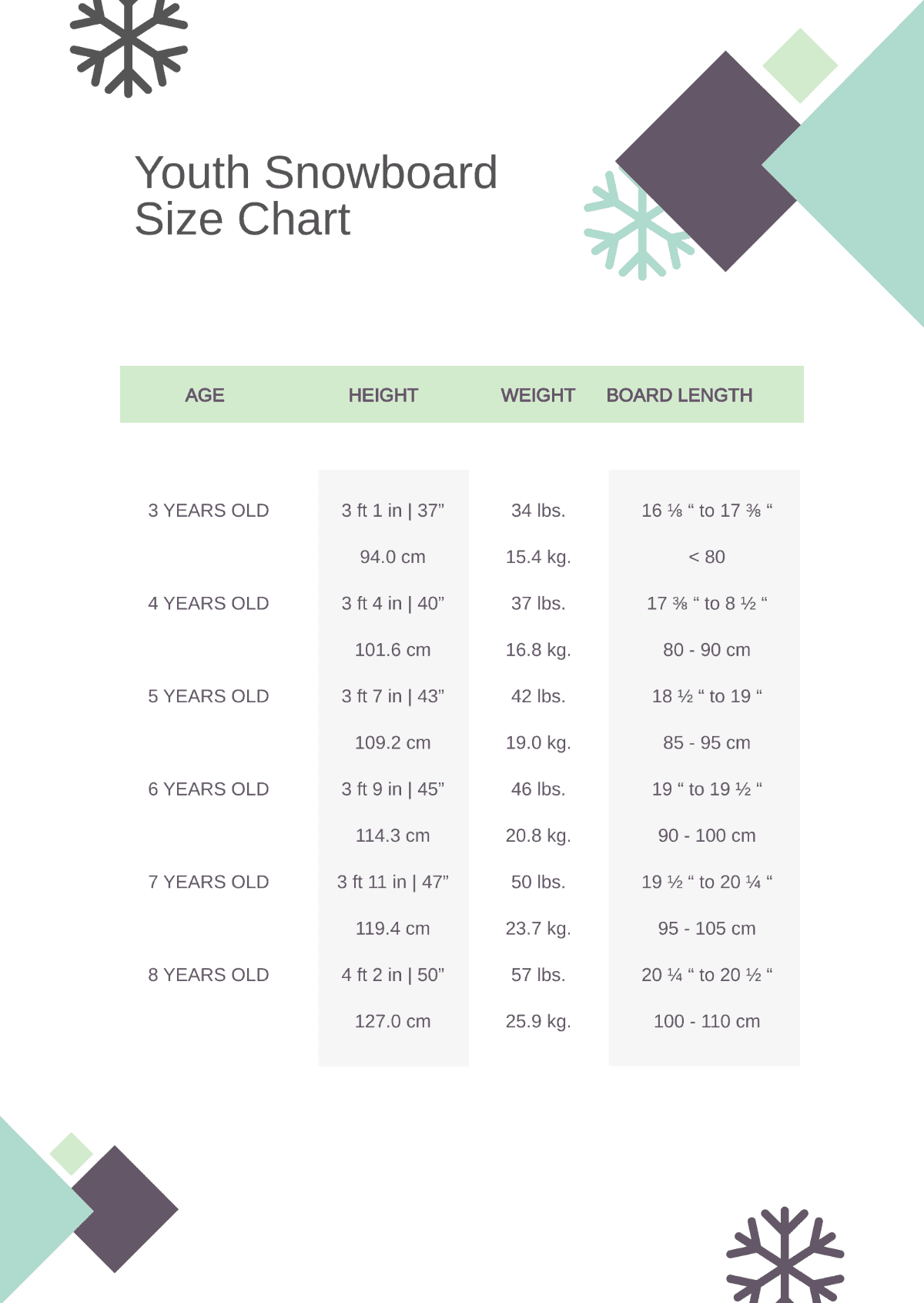
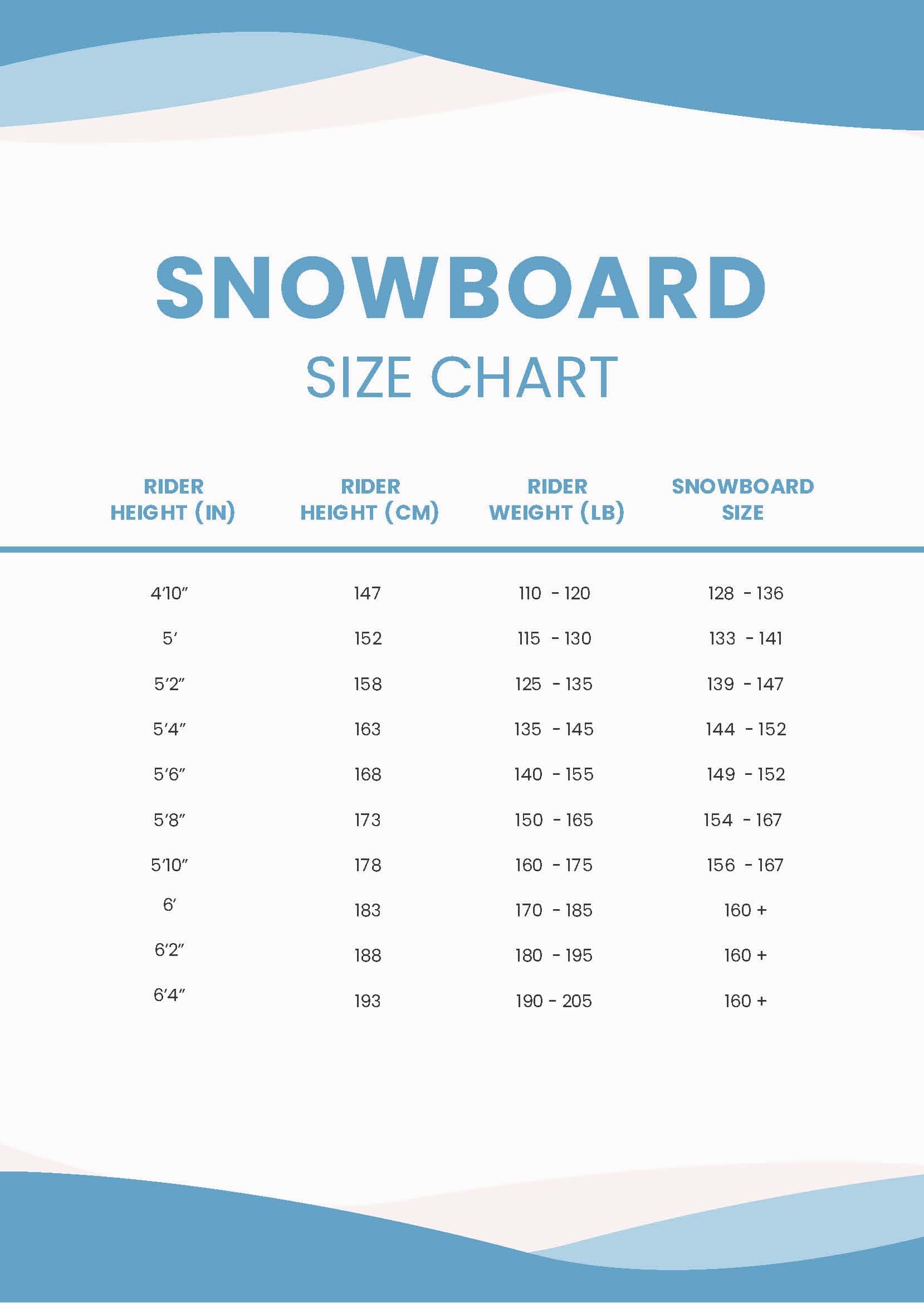
Finding the right board size when the first snow falls in the winter directly affects the enjoyment and confidence on the slopes. TypeCalendar offers more than 46 Snowboard Size Charts that map height–weight–boot size–riding style–experience level at a glance. With separate tables for different profiles from freestyle to all-mountain, freeride and powder scenarios, “how many inches, what width?” you give a clear answer to the question; the feeling of control increases from the first day, unnecessary fatigue and edge hang ups decrease.
Table of Contents
What Is a Snowboard Size Chart?

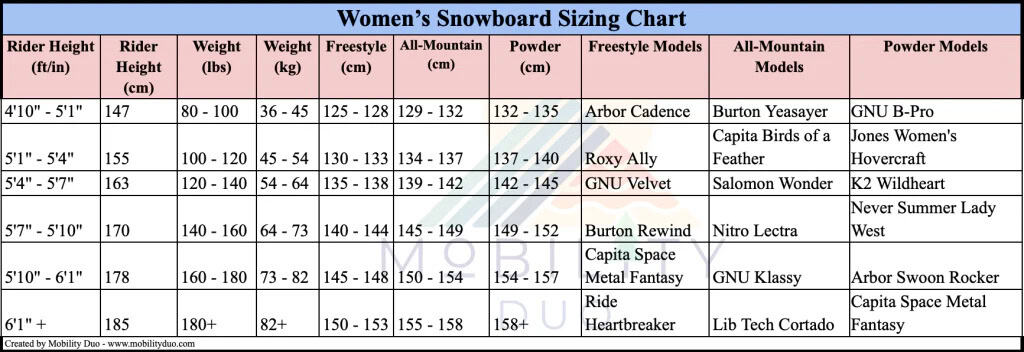
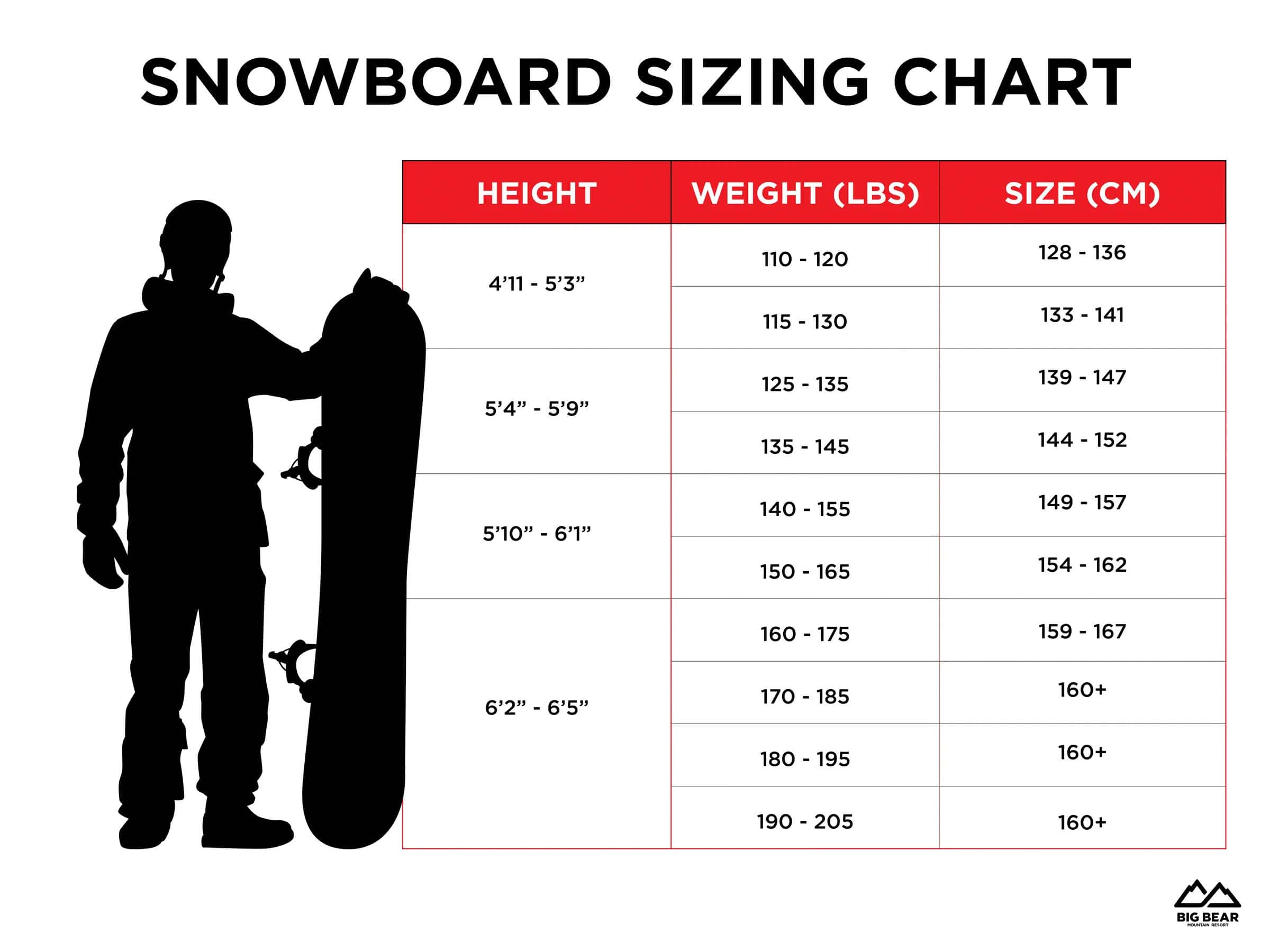
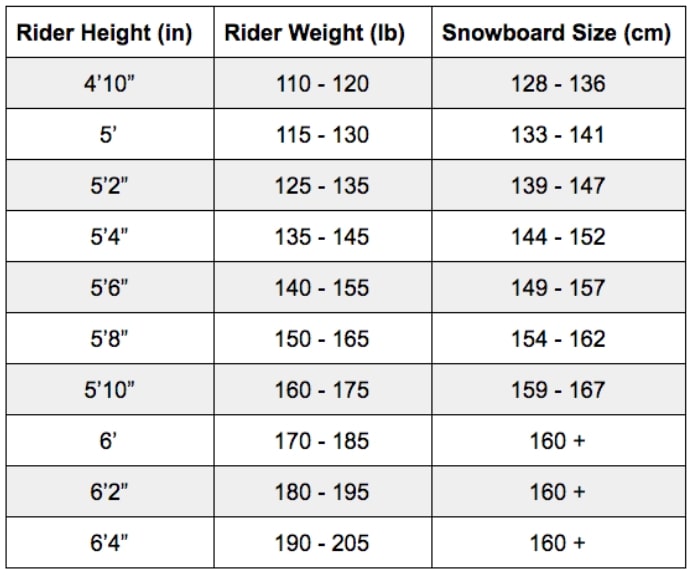
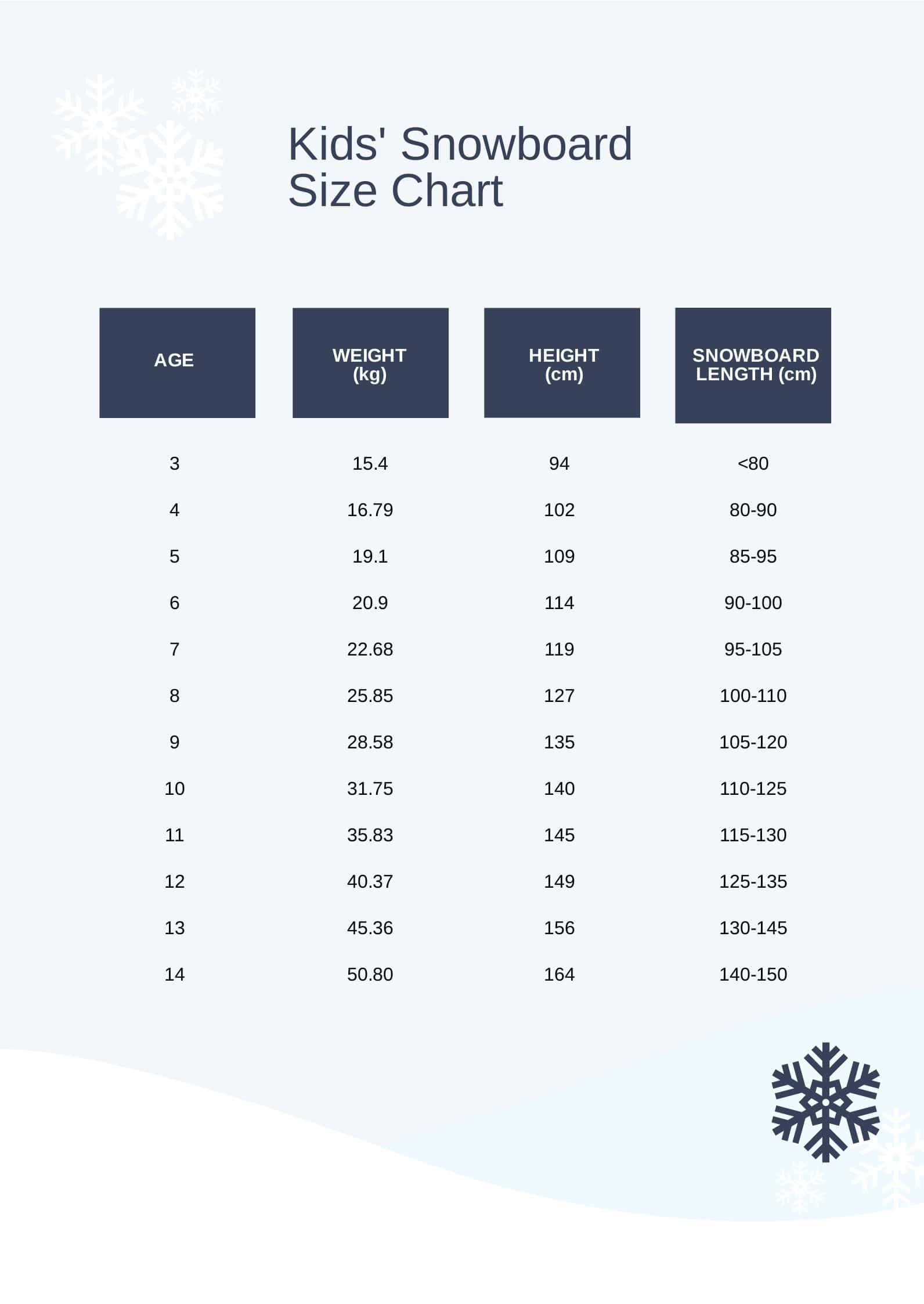
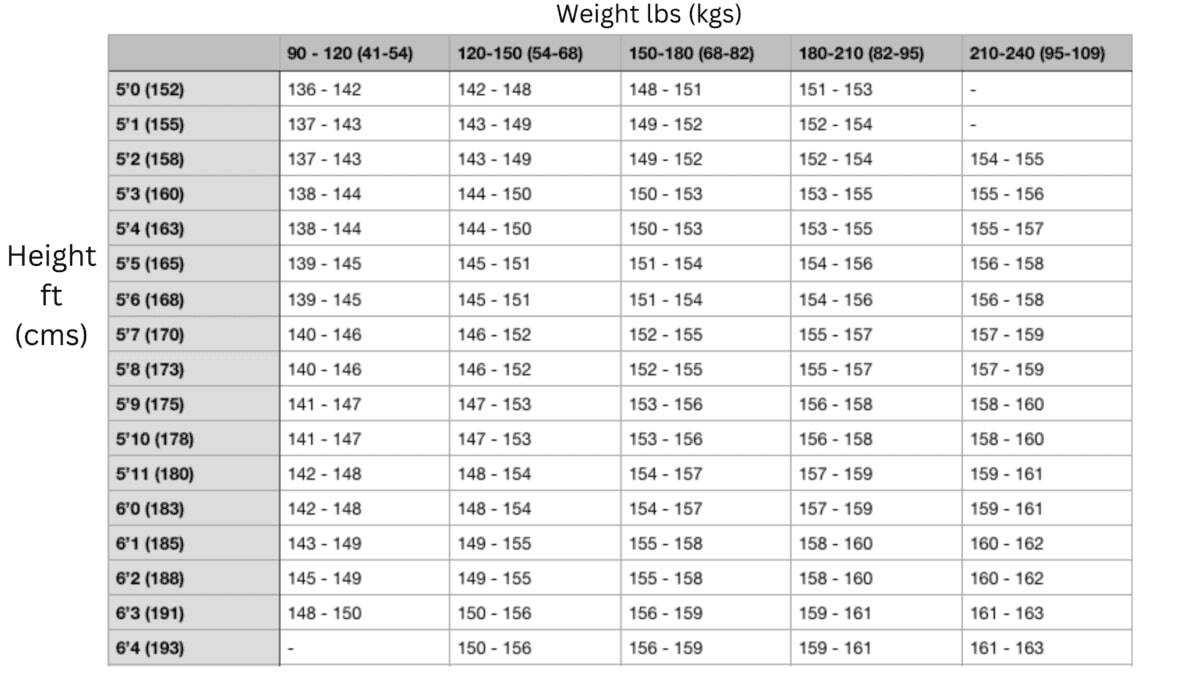
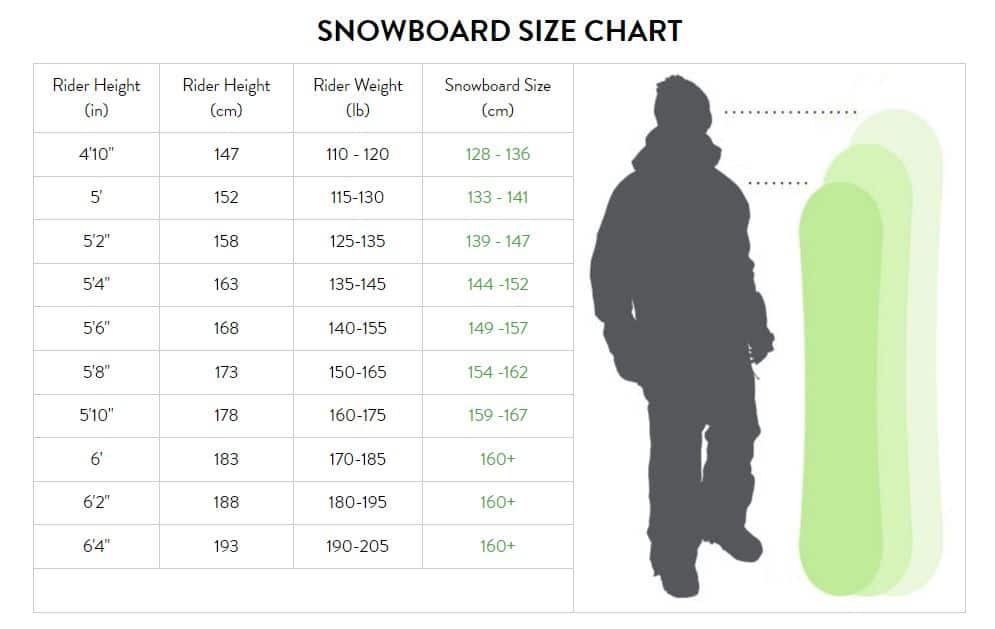
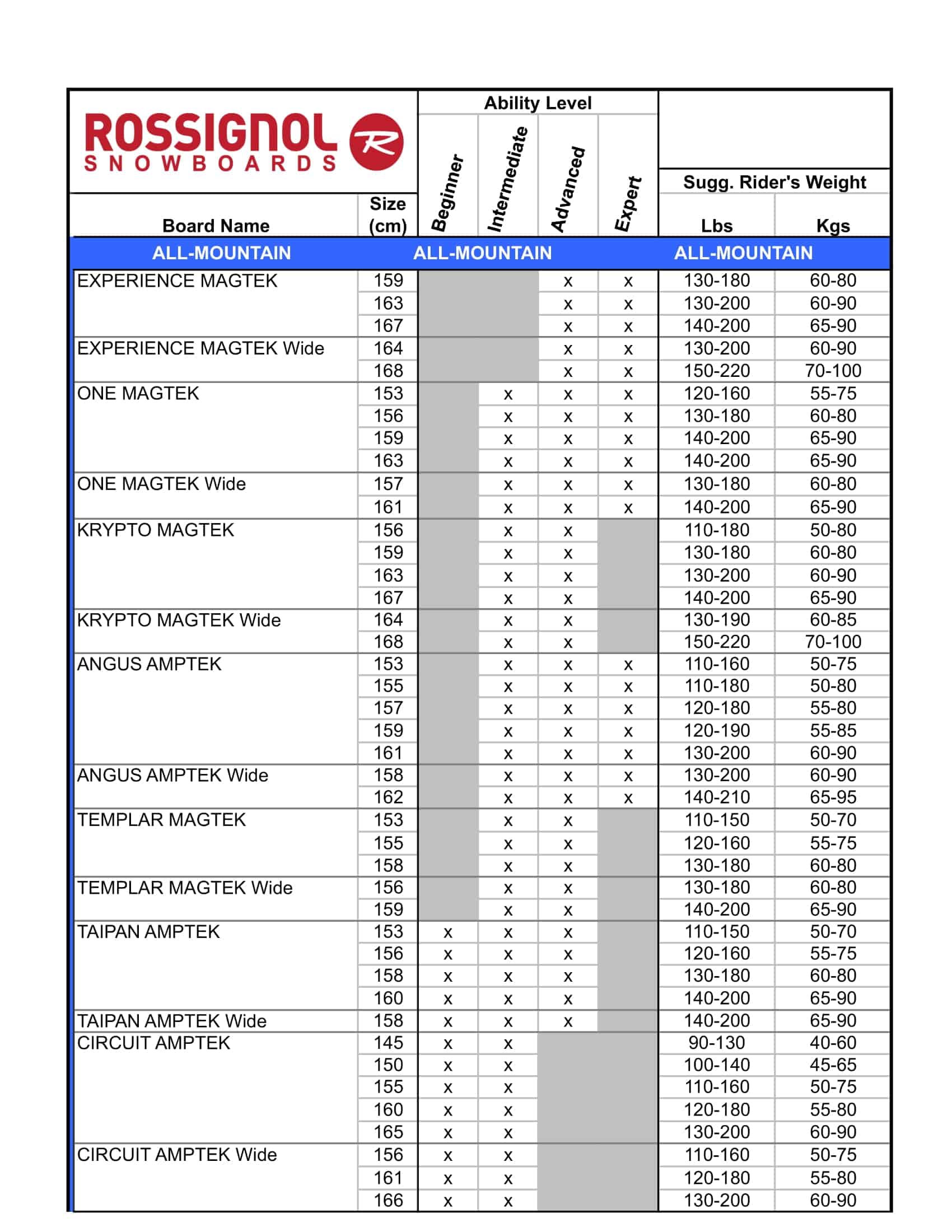
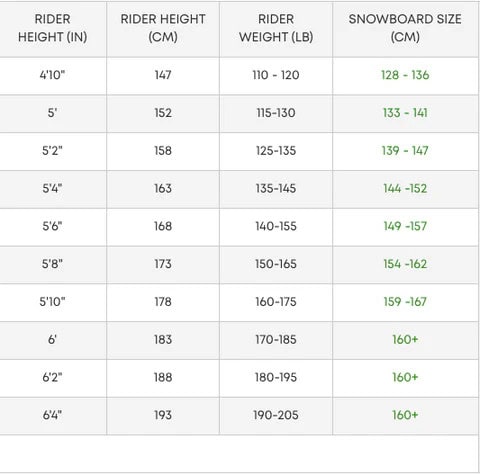
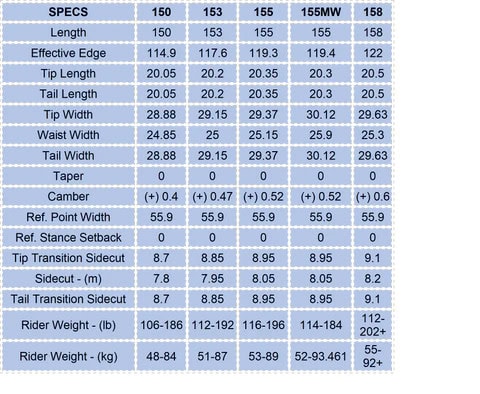
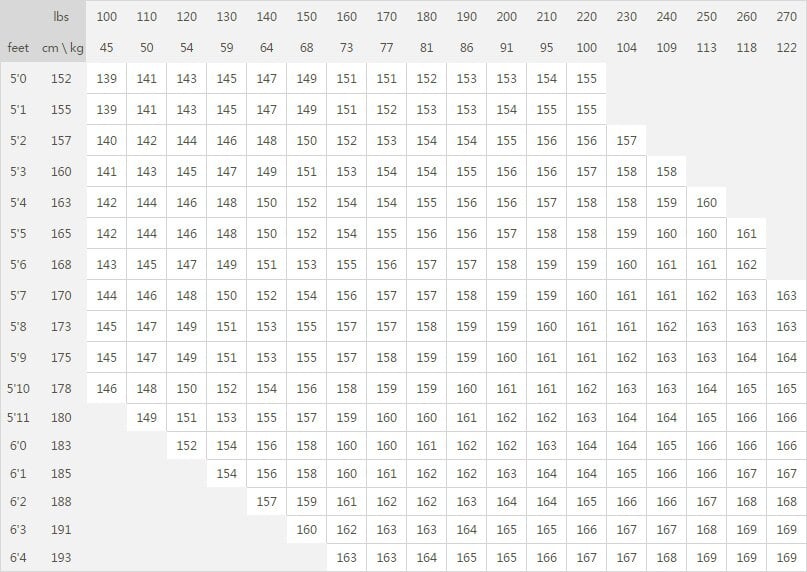
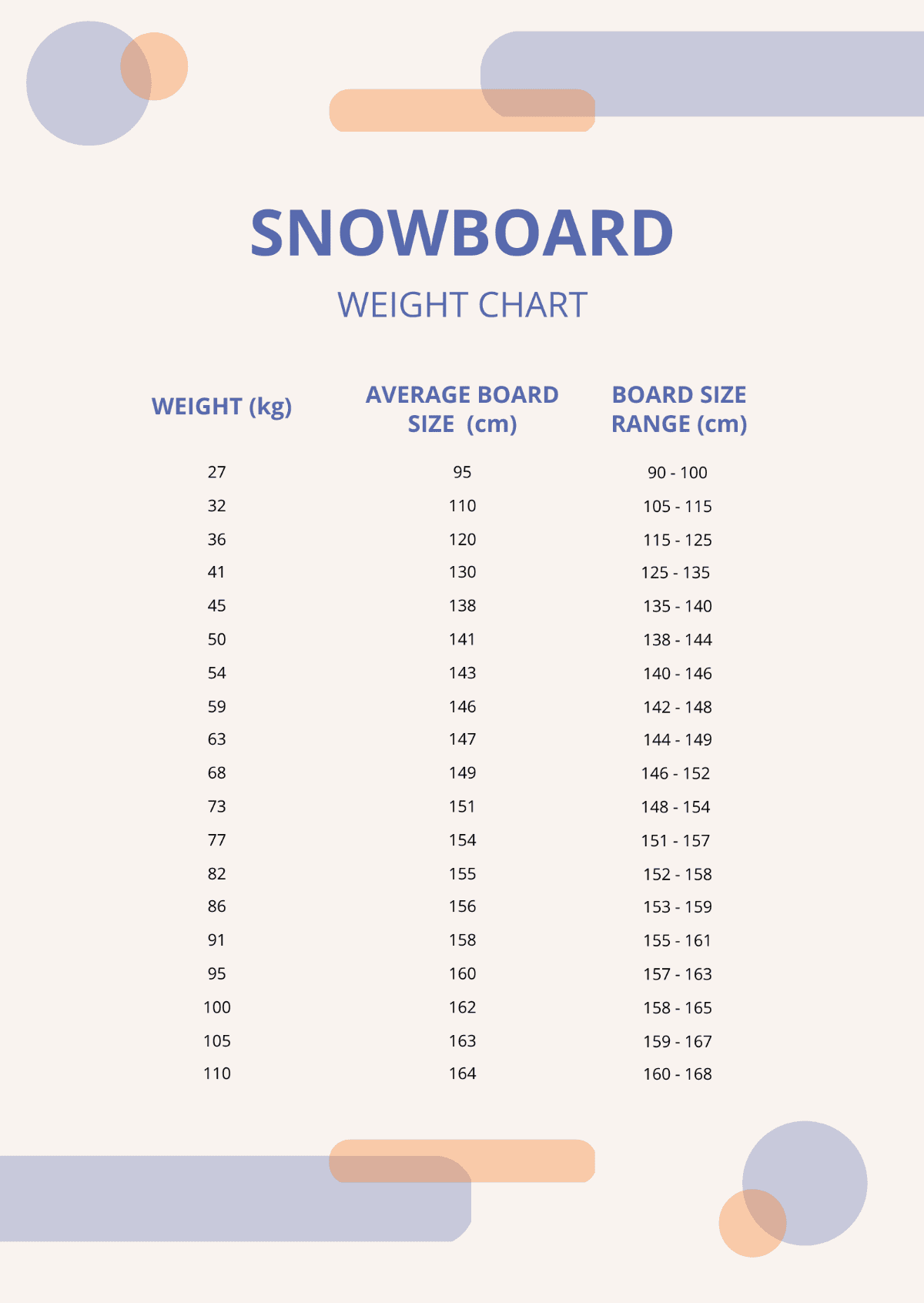
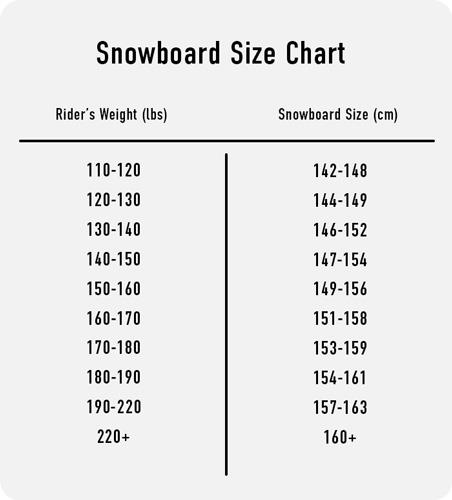
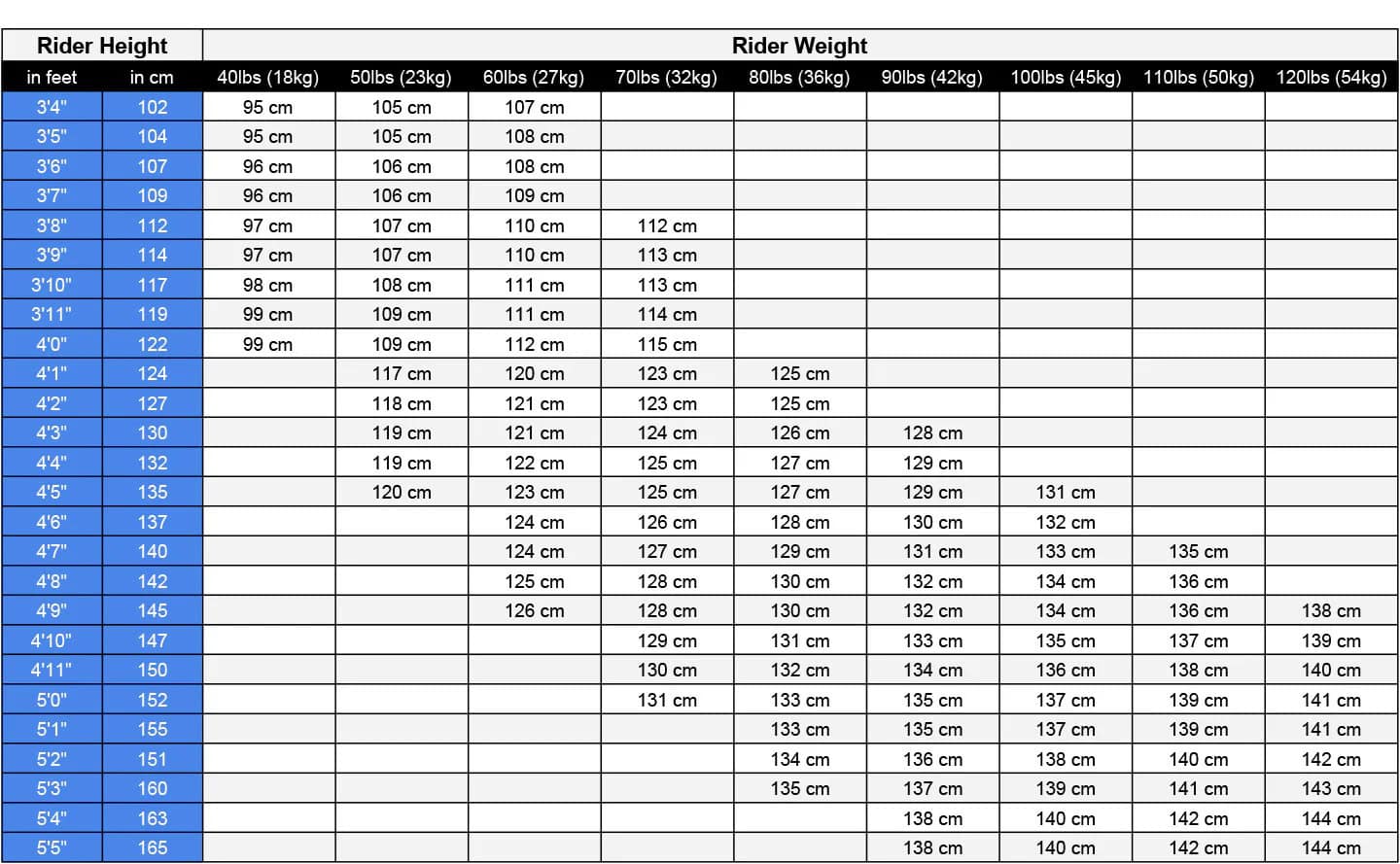
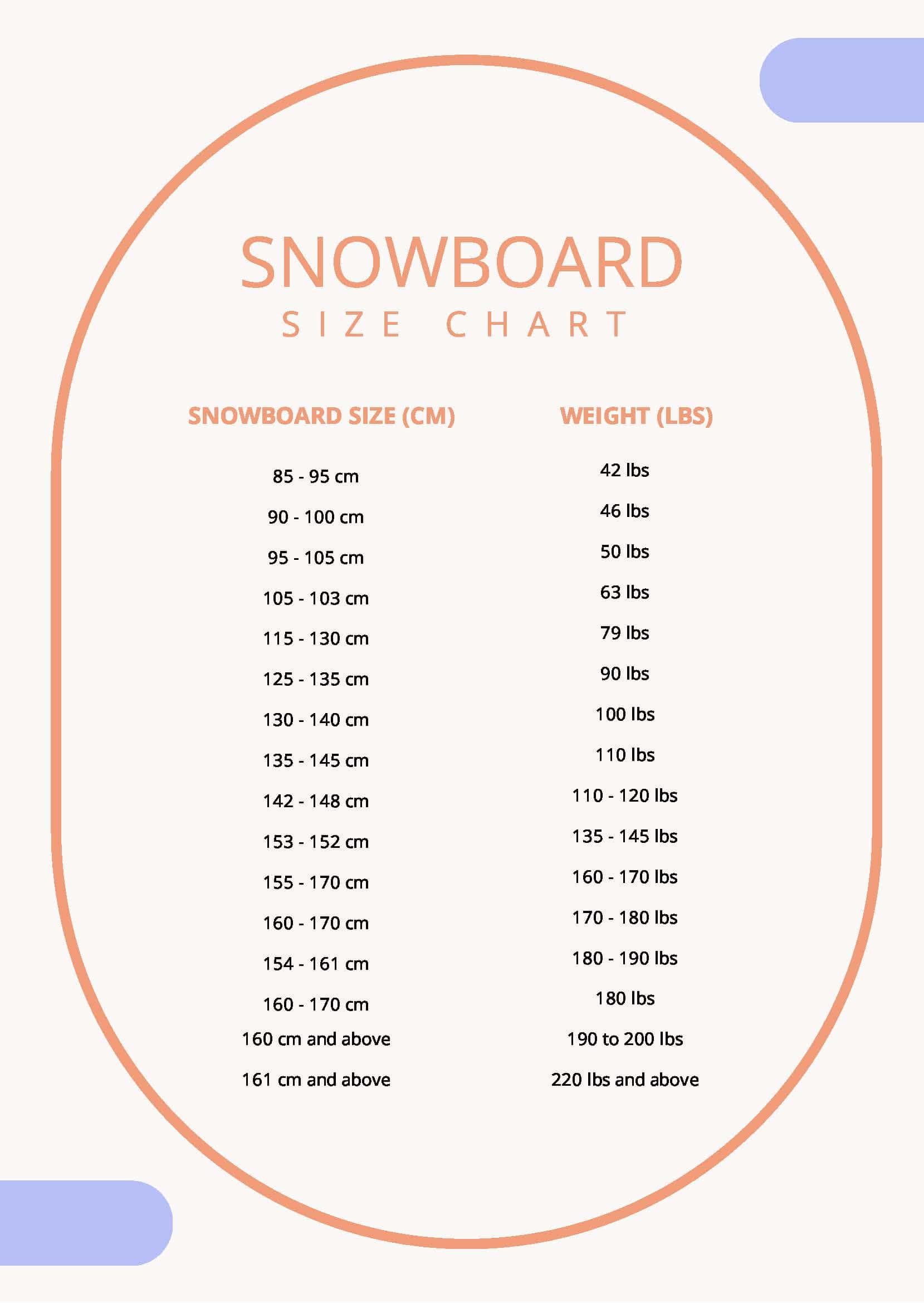
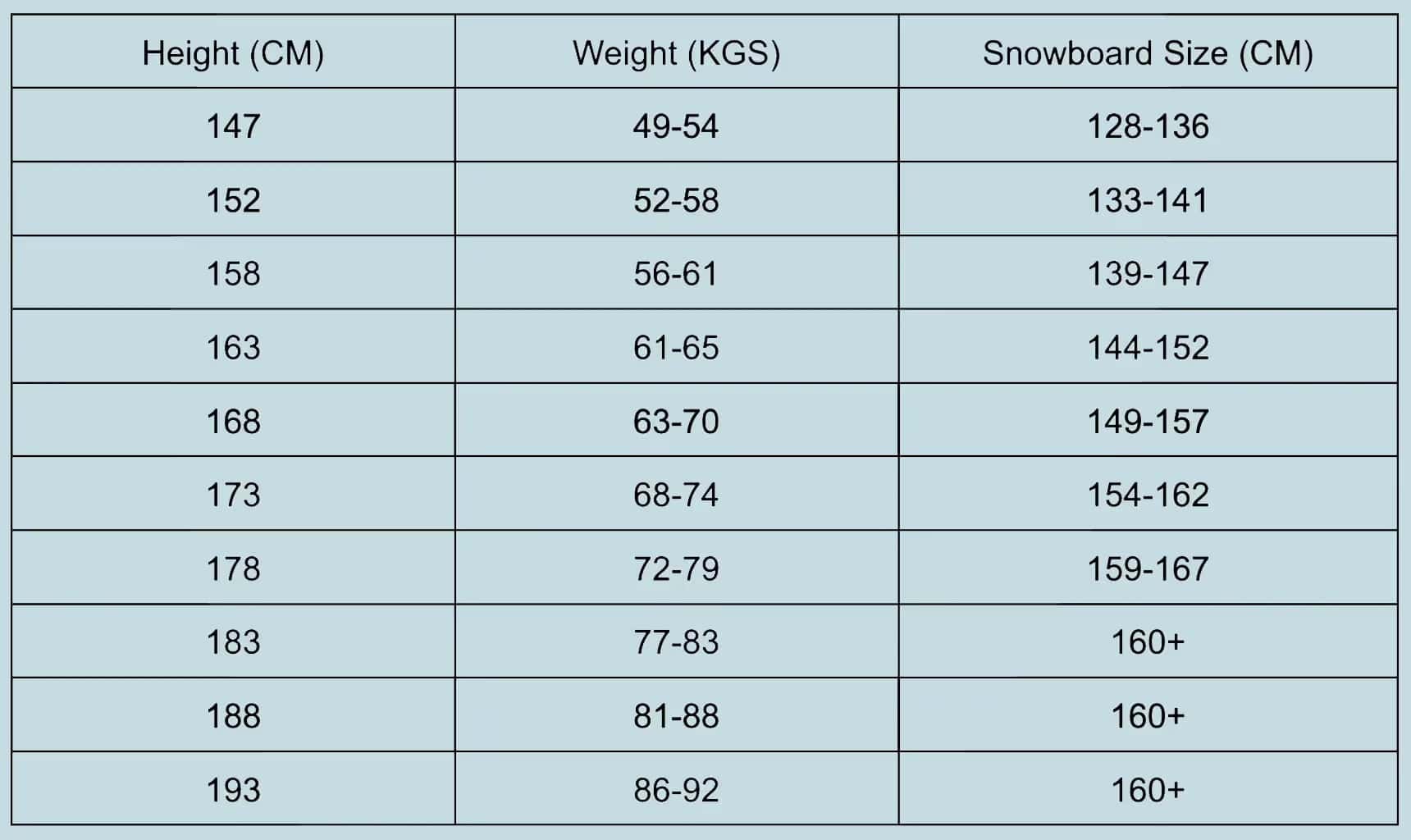
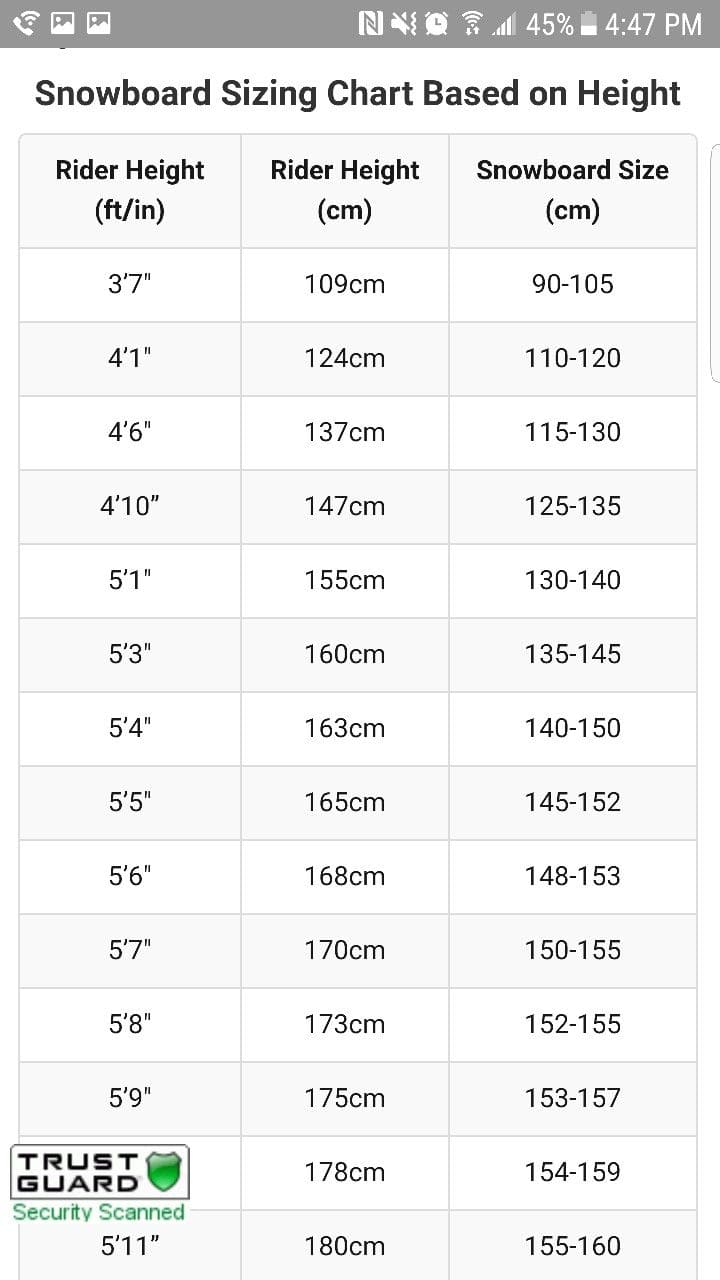
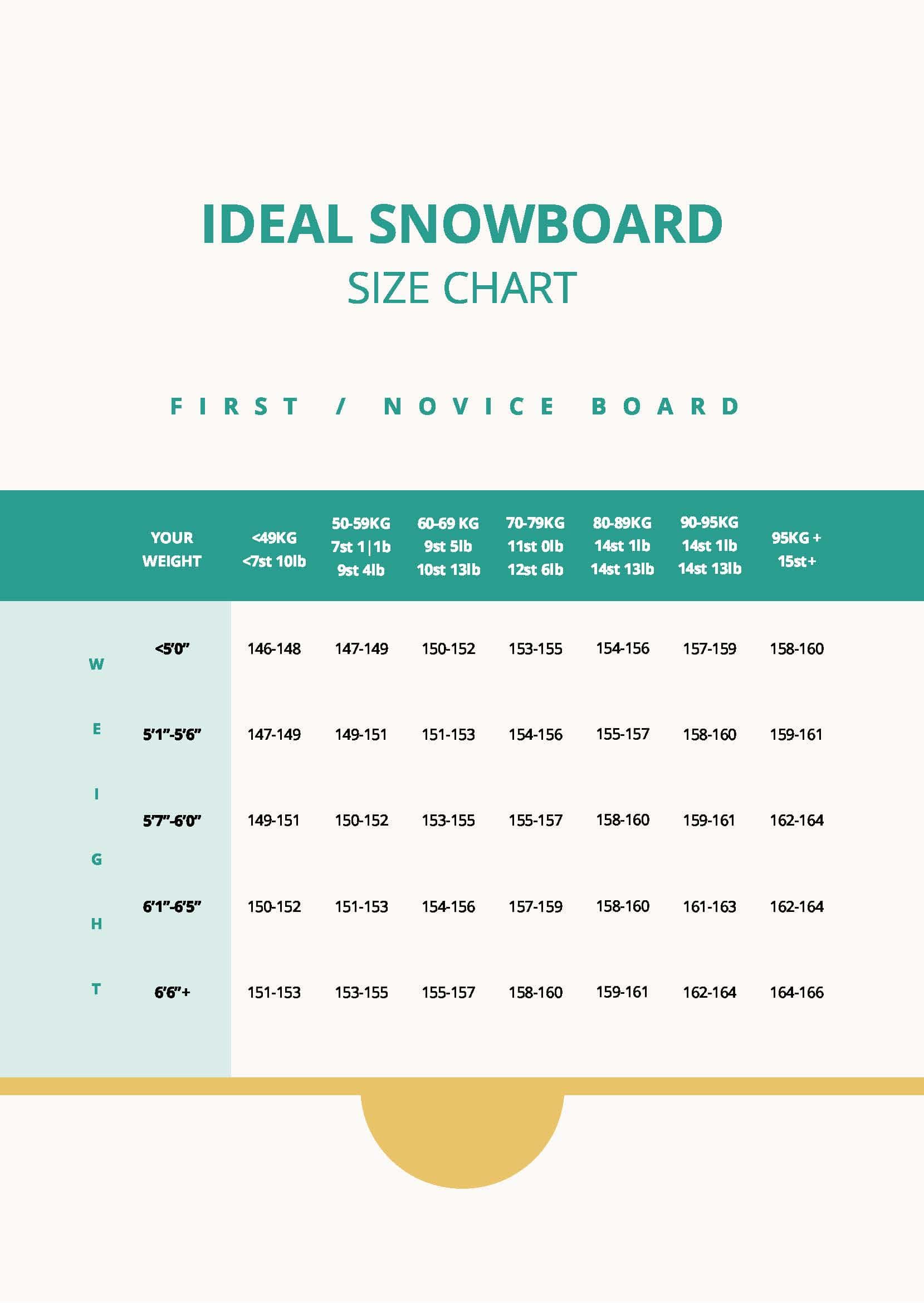
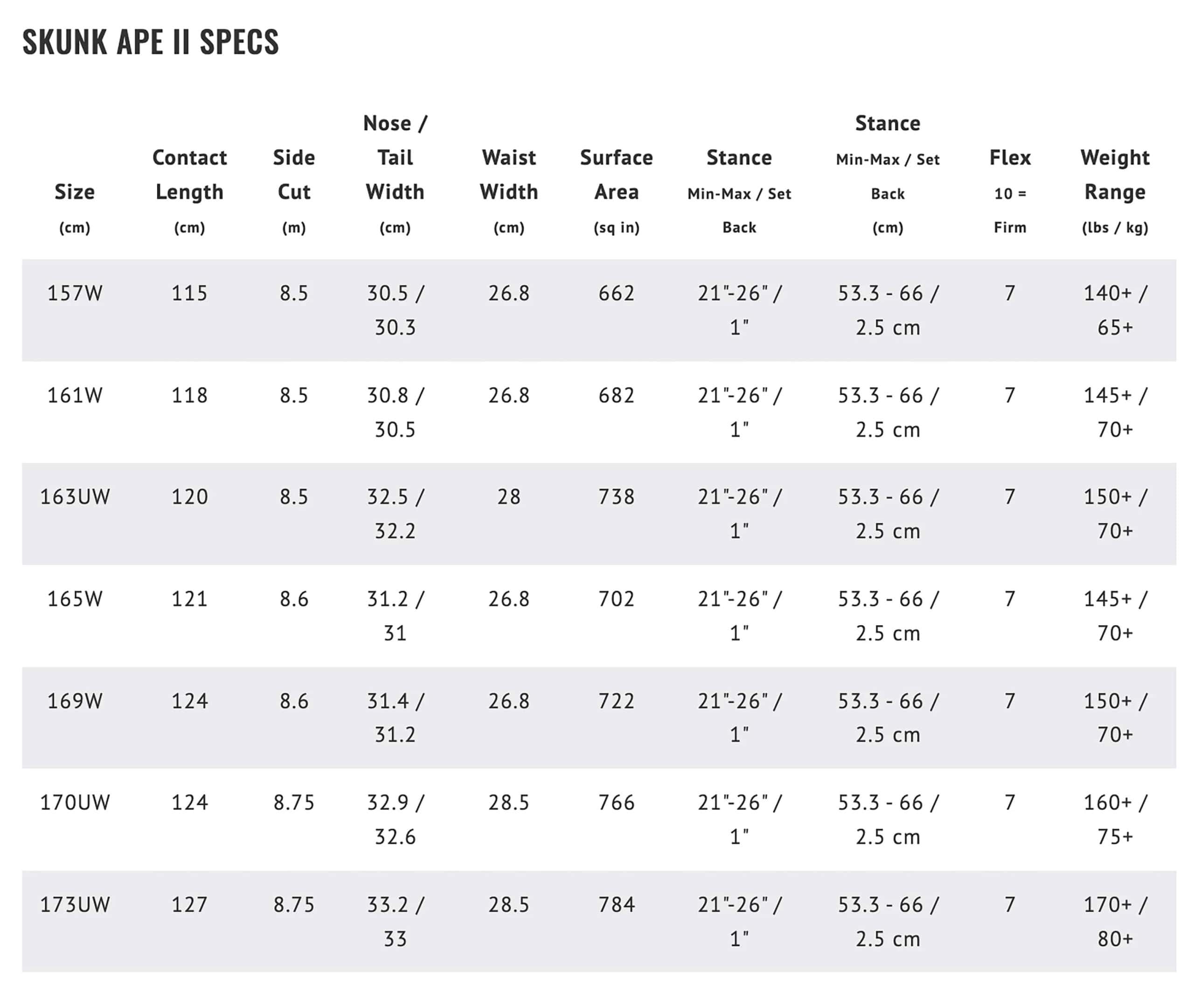
A size chart recommends board length and width using variables such as rider weight and height, boot size, riding style and level, and board profile (camber, rocker, hybrid). When read correctly, it helps you select not only ”how many cm”, but also critical details that determine the comfort–control balance, such as waist width, effective edge and flex.
46 Snowboard Size Charts


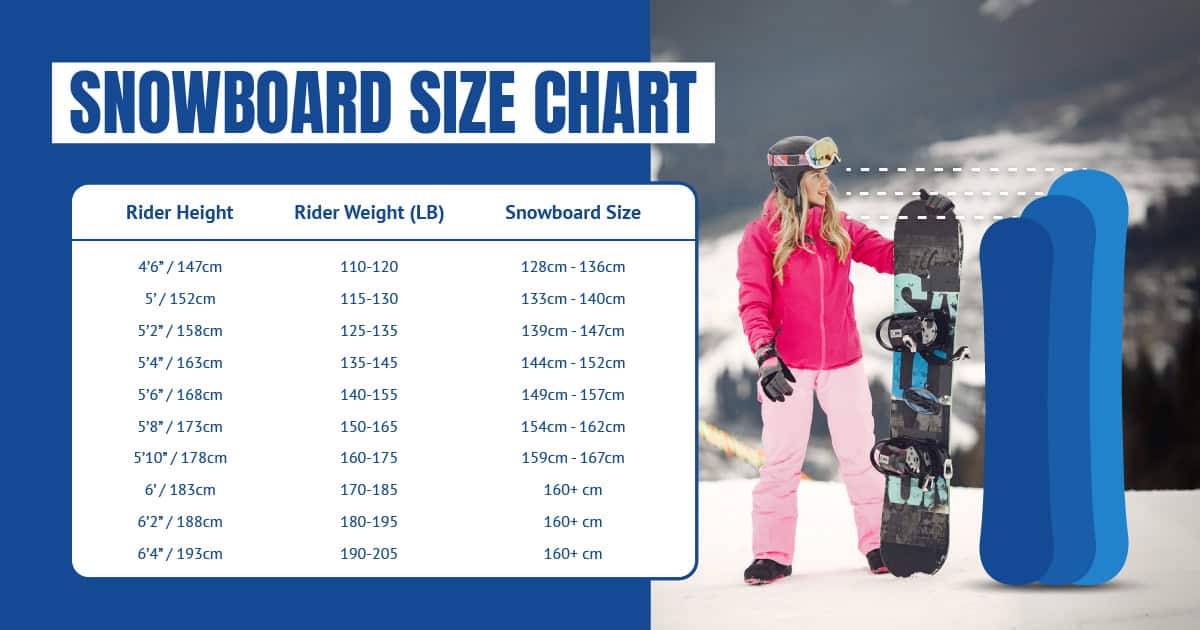
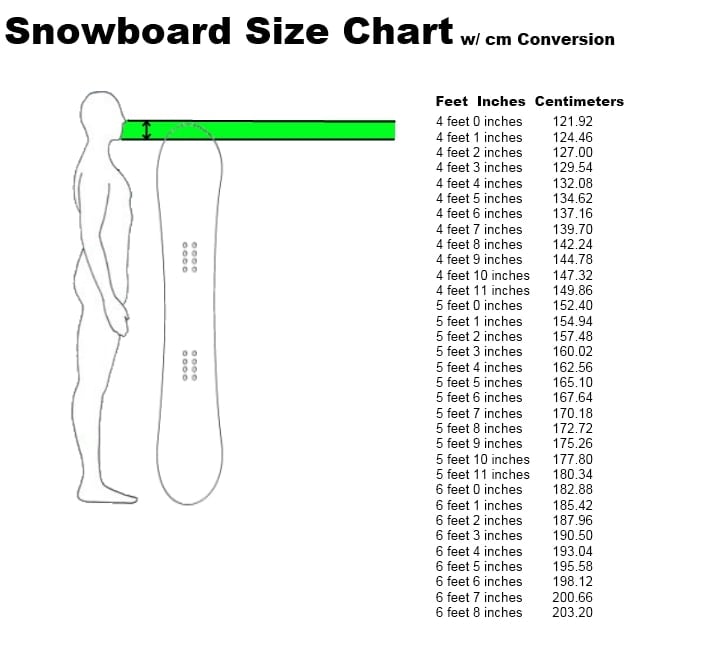

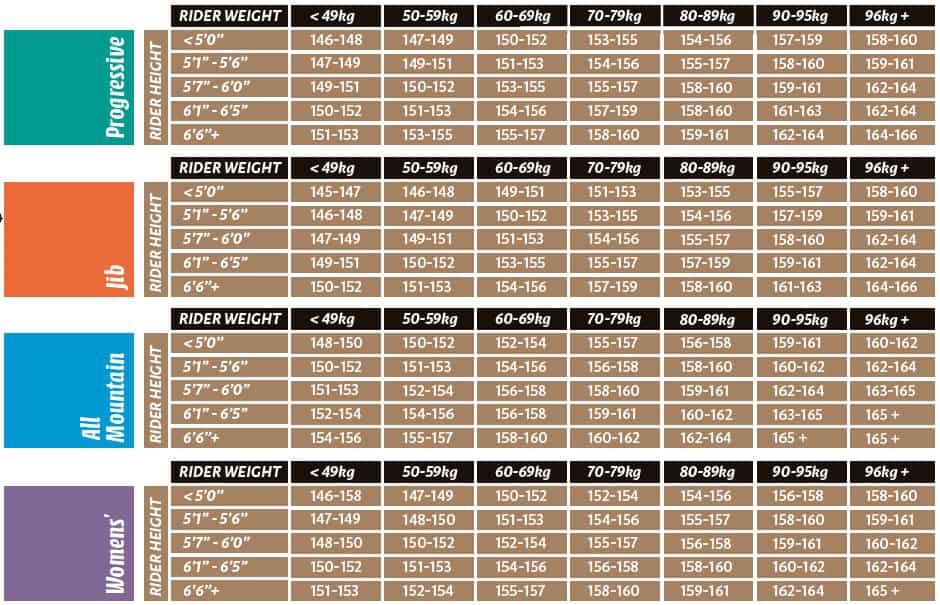




Why Is It Important?
The wrong length or width makes turn initiation harder, increases high-speed chatter, and causes toe/heel drag. A good table takes the selection out of “trial and error”; it means easier learning at the beginning, higher speed and stability in the future, less falls and fatigue at each level.
Height or Weight: Which Comes First?
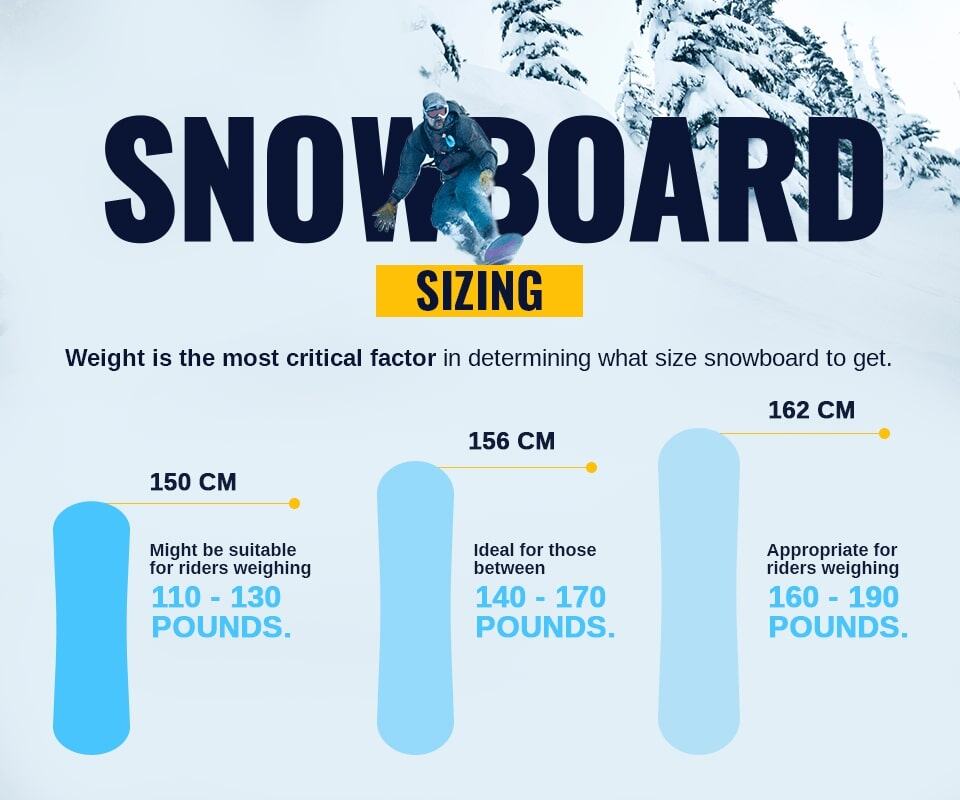
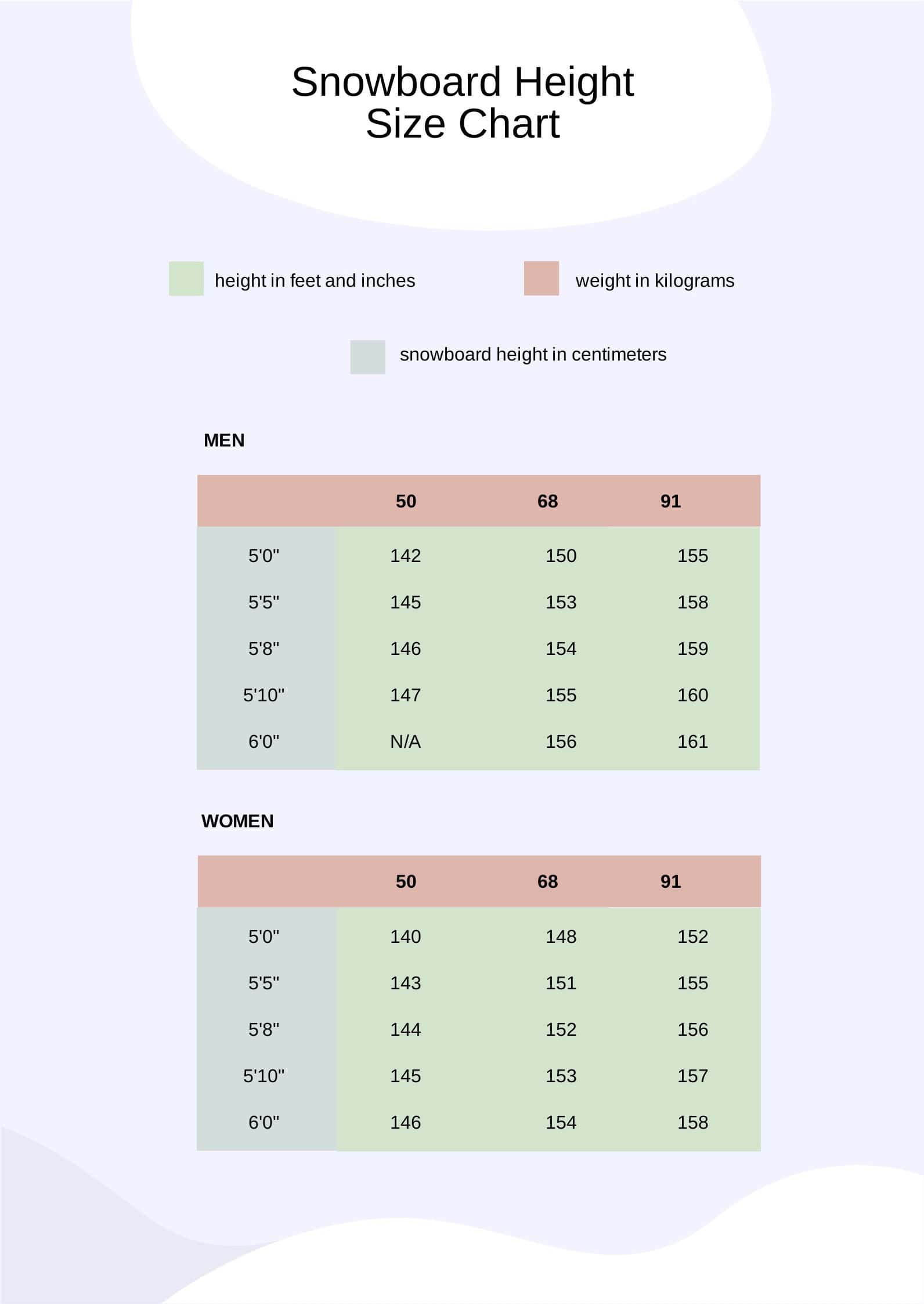
Many manufacturers give the length as a reference, but the board carrying capacity is more closely related to the weight. General rule:
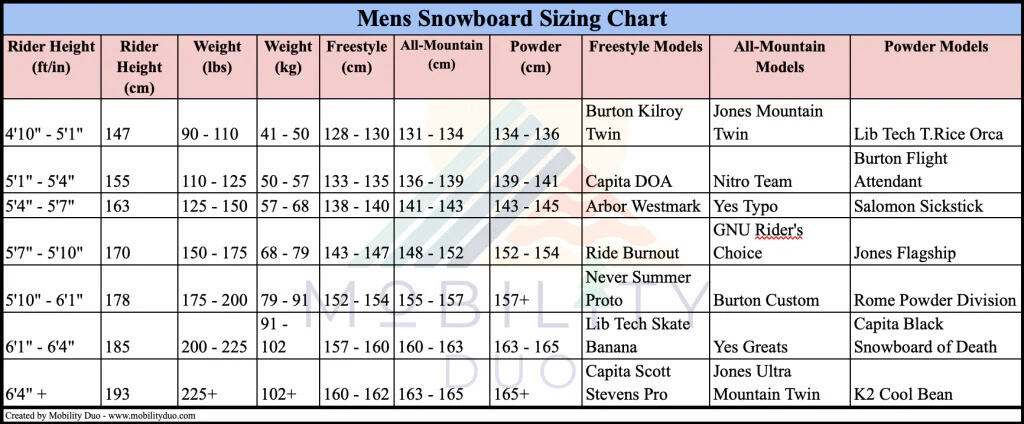
- If you’re freestyle/park oriented, a shorter height closer to the lower end of your weight range (nimbler feel, easier spins).
- Freeride/powder and higher speed: choose a slightly longer length near the upper end of your weight range (more stability and float).
- A medium value is the safe choice for all-mountain riding.
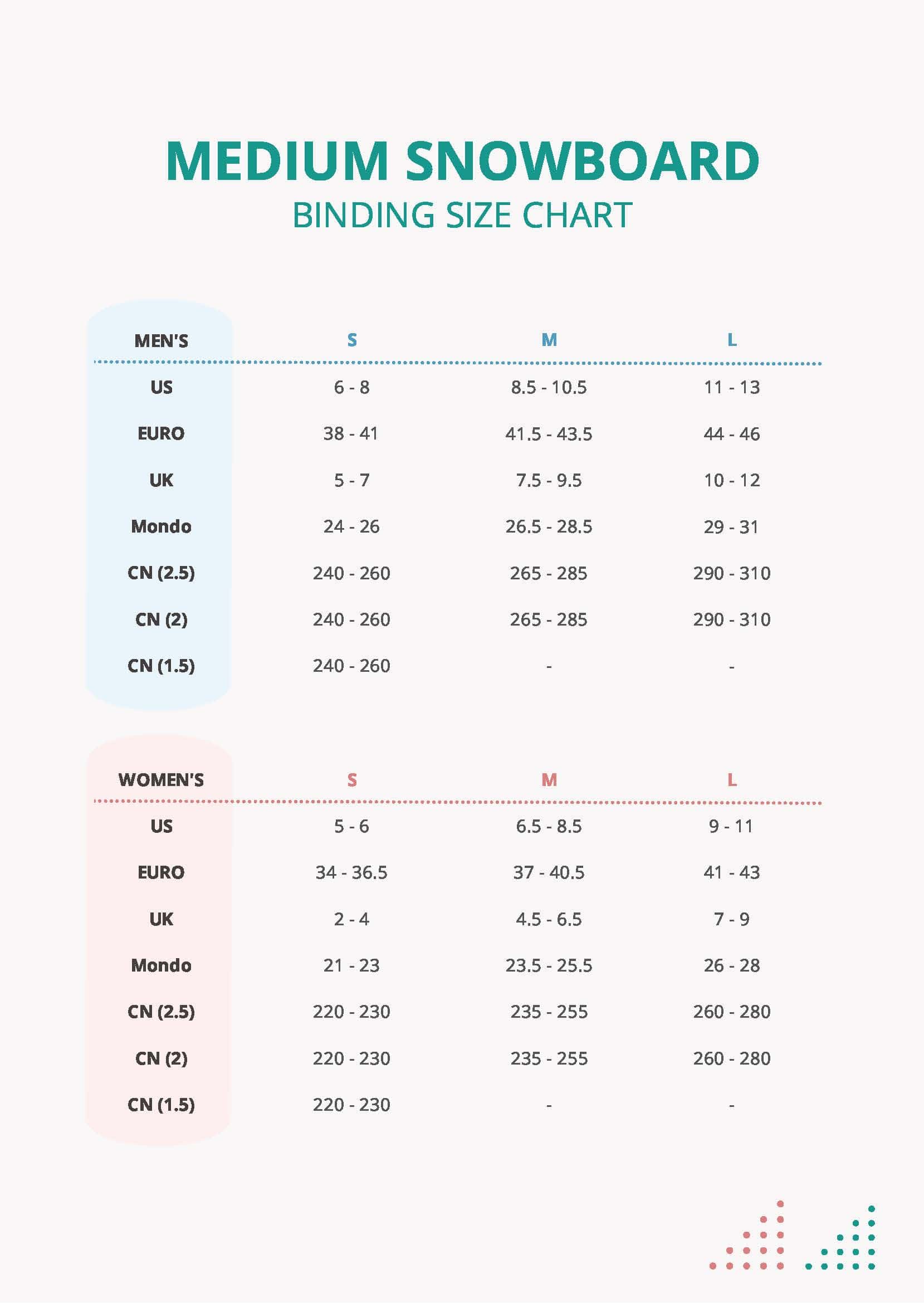
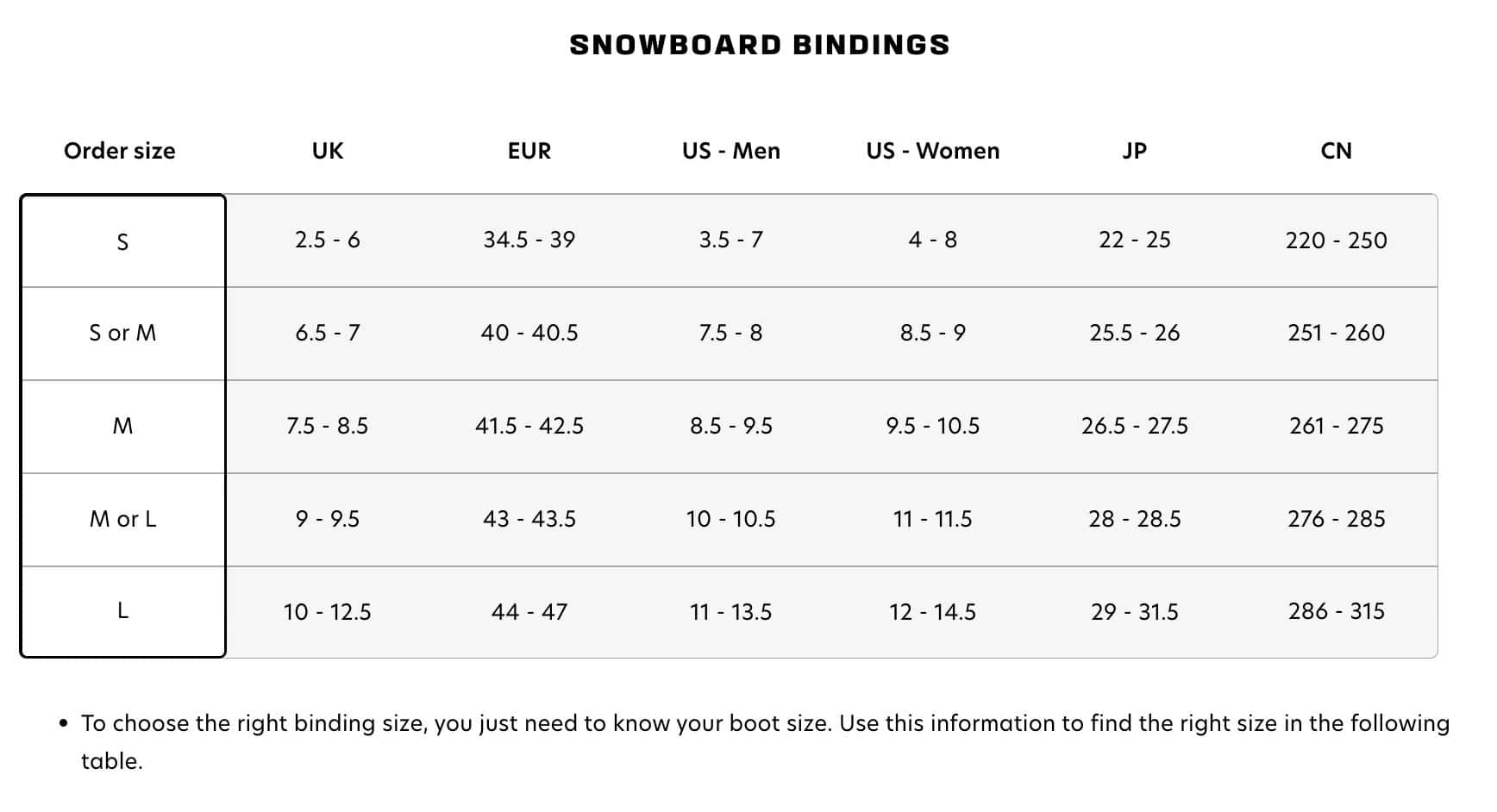
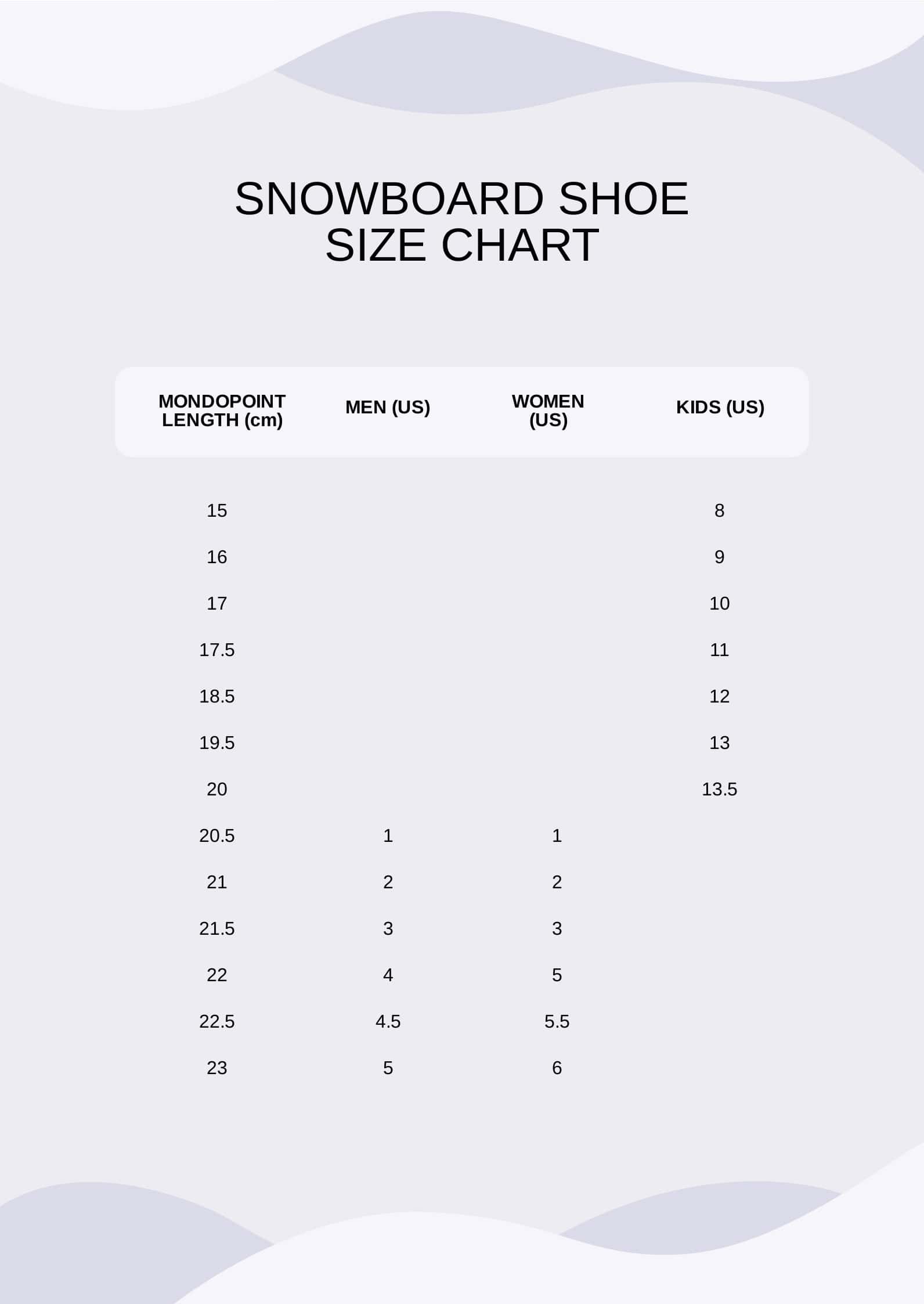
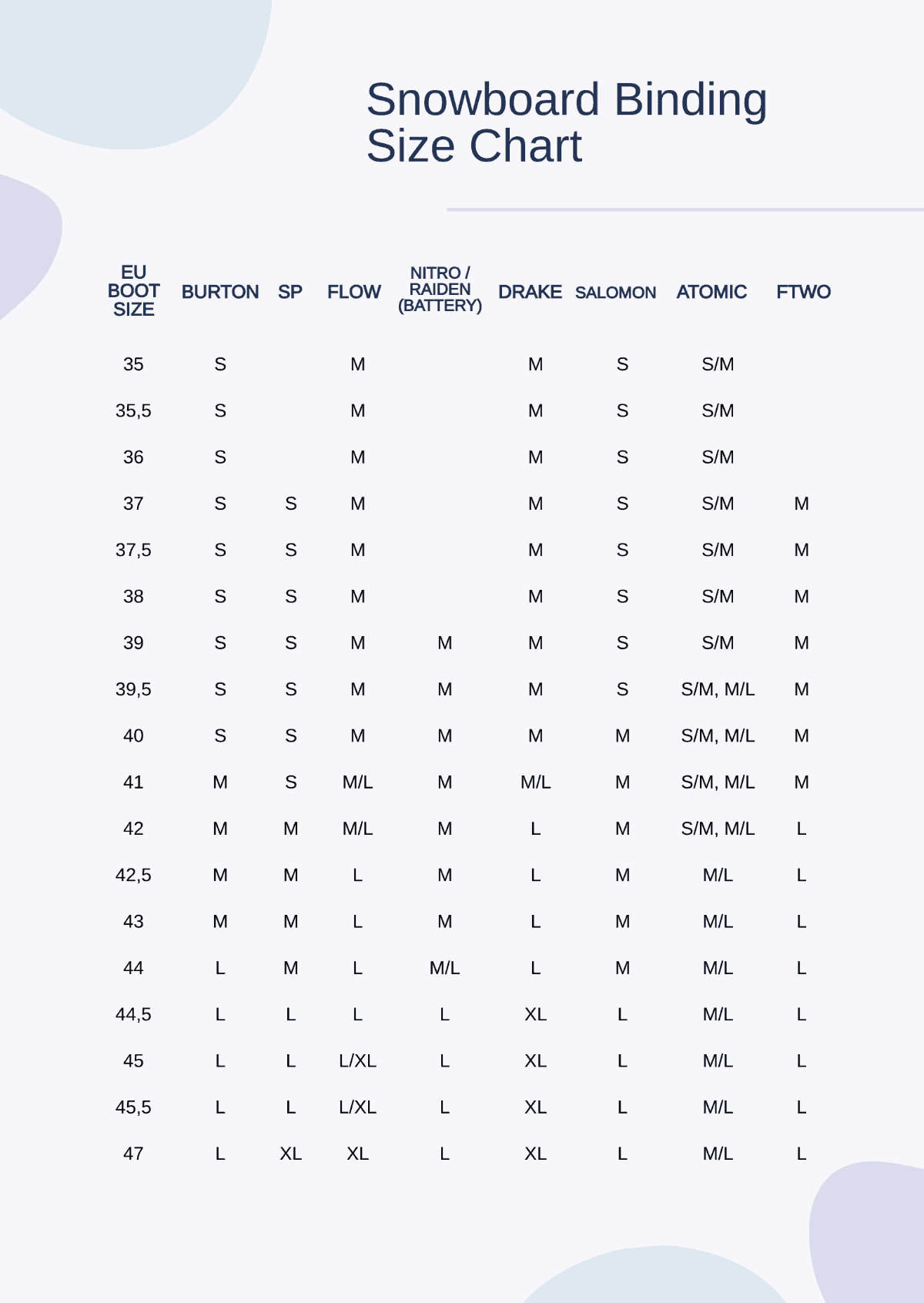
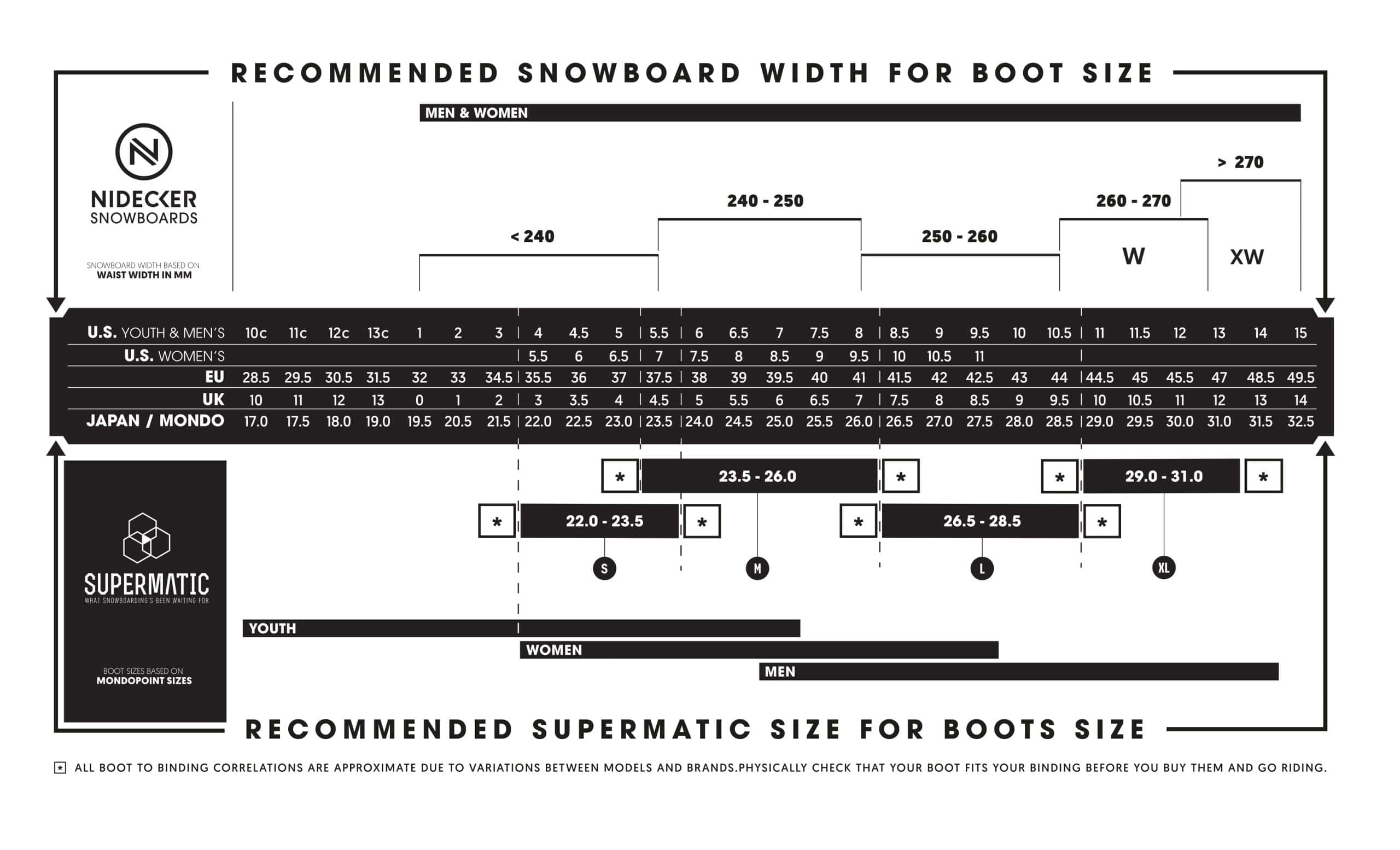
Width Selection: Lock It to Your Boot Size
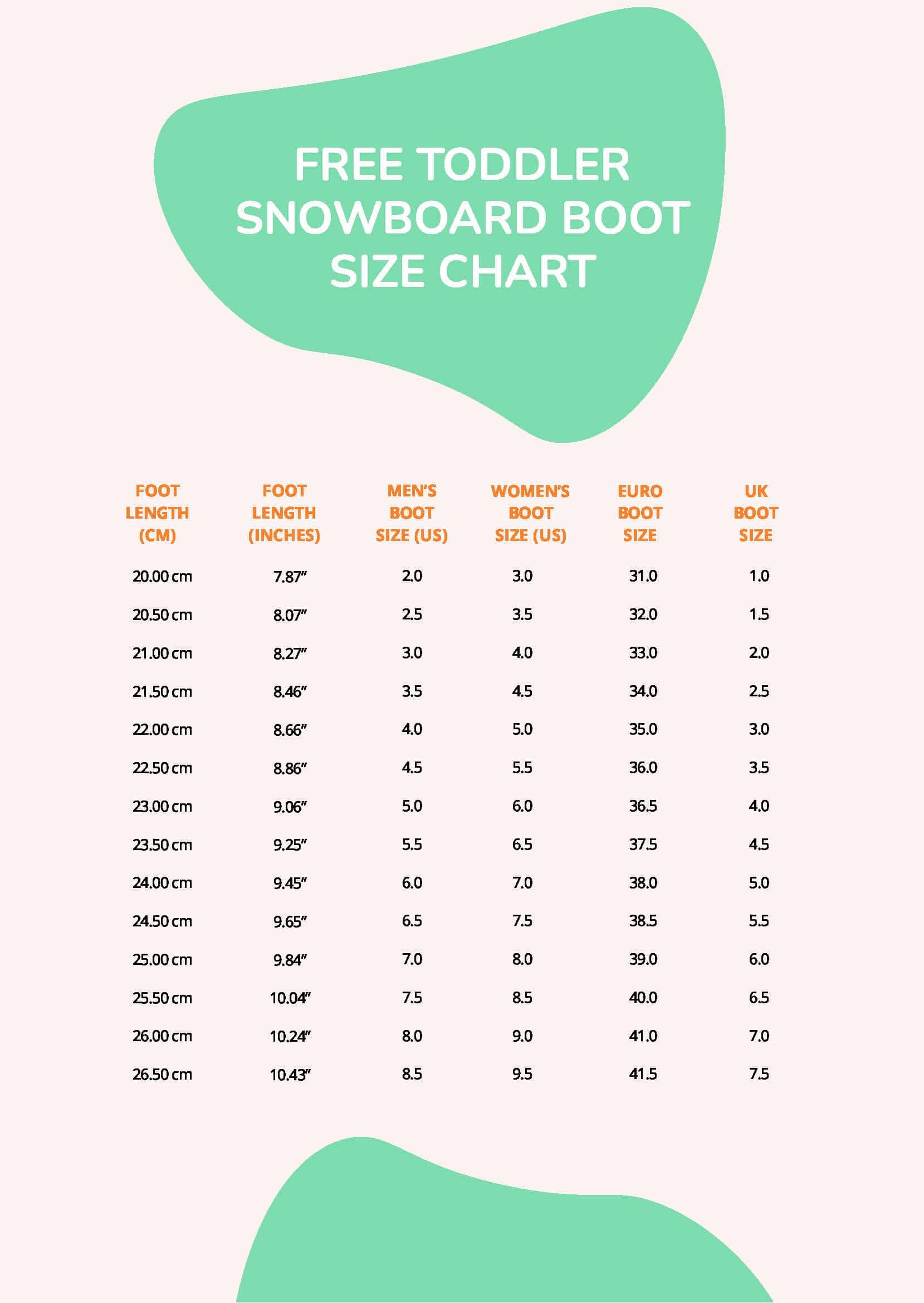
In a neutral stance, aim for about 1–2 cm of boot overhang on both toe and heel. Too much causes snow drag; none makes edging difficult.
- Standard width: Most all-mountain boards in US men’s ≤10 (EU ~43 and below) boots.
- Mid-wide: Waist width is one size larger in boots between US 10–11.5.
- Wide (W): boards marked “W,” typically for men’s US ≥12 (≈EU 46+).
Fine-Tuning by Riding Style
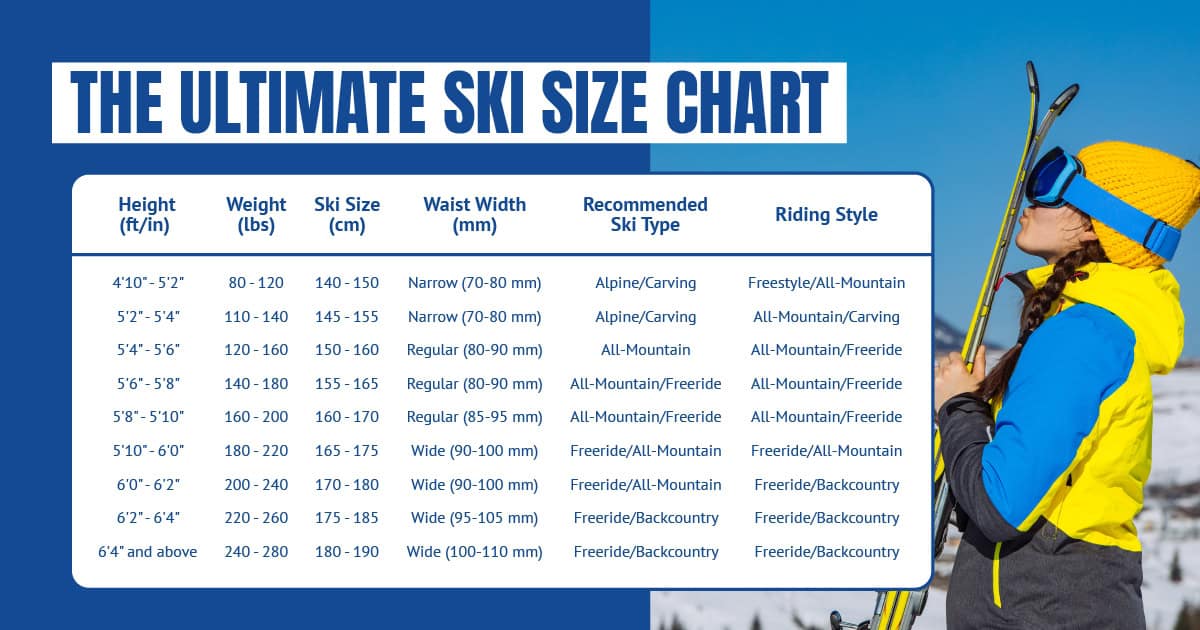
Two riders of the same weight can need different board lengths depending on style:
Freestyle/Park: Short, softer flex; ease of rail and spin.
All-Mountain: medium length, medium flex; balanced across terrain.
Freeride/Powder: slightly longer, directional shapes; better high-speed stability and float.
In volume-shift (short but wide) powder panels, you compromise on length and gain on width; our charts also show this with the note “weight–volume equivalent”.
Women’s, Men’s, and Kids’ Charts
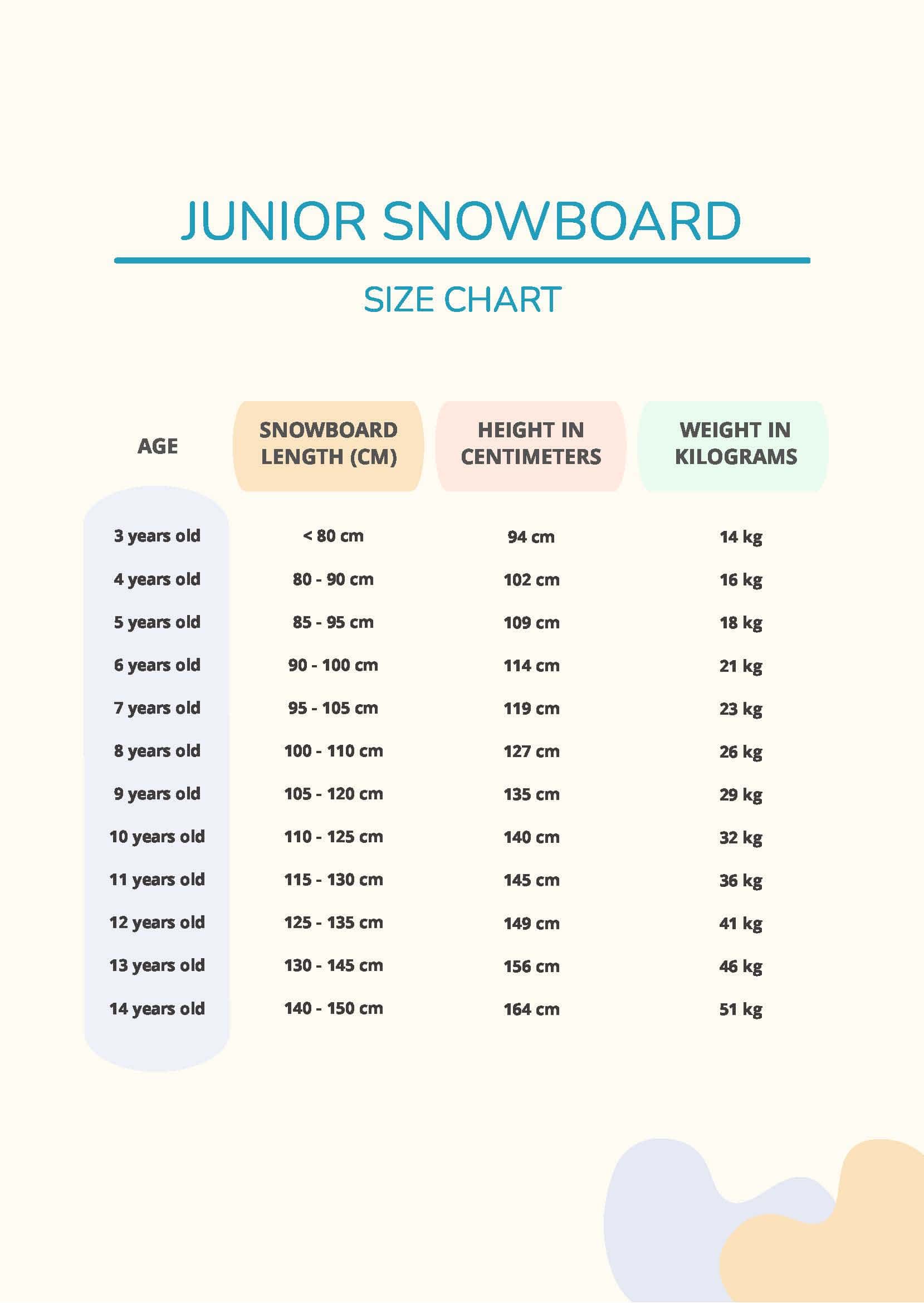
Men’s and women’s chart are kept separate due to anatomical differences (weight distribution, foot size); women’s boards usually offer a narrower waist and optimized flex. There is a “+1 season share” rating for the fast growth factor in the children’s/teen charts; however, it is avoided to choose it long enough to lose control.
TypeCalendar’s Snowboard Size Chart Library (46+ Charts)
Our set combines charts for men/women/kids, freestyle–all-mountain–freeride–powder breakdowns, wide/mid-wide guides, volume-shift/fish-shape notes, and stance/angle/boot-overhang visuals. The “Weight → Height → Width → Flex” chain is on the same page for quick decision making. It is a practical reference for size–fit checking while trying on in the store or when ordering online.
Less Struggle, More Enjoyment with the Right Size
TypeCalendar’s 46+ Snowboard Size Chart collection helps you make data-based choices not guesses. Map height, weight, boot and style in one chart; learn faster on the first day, ride more confidently and quickly in the future. The right size is felt the moment you hit the slope: turns require less effort, you determine the board line.


