In today’s fast paced world, staying organized can be a challenge. With so many tasks, appointments, and events to keep track of, it’s easy for things to slip through the cracks. That’s where calendars come in. Whether digital or physical, calendars are powerful tools that help us stay on top of our responsibilities, manage our time efficiently, and make the most out of each day. From business meetings to social events, or even managing creative projects with the help of music AI, the calendar is your best friend in maintaining order in your life.
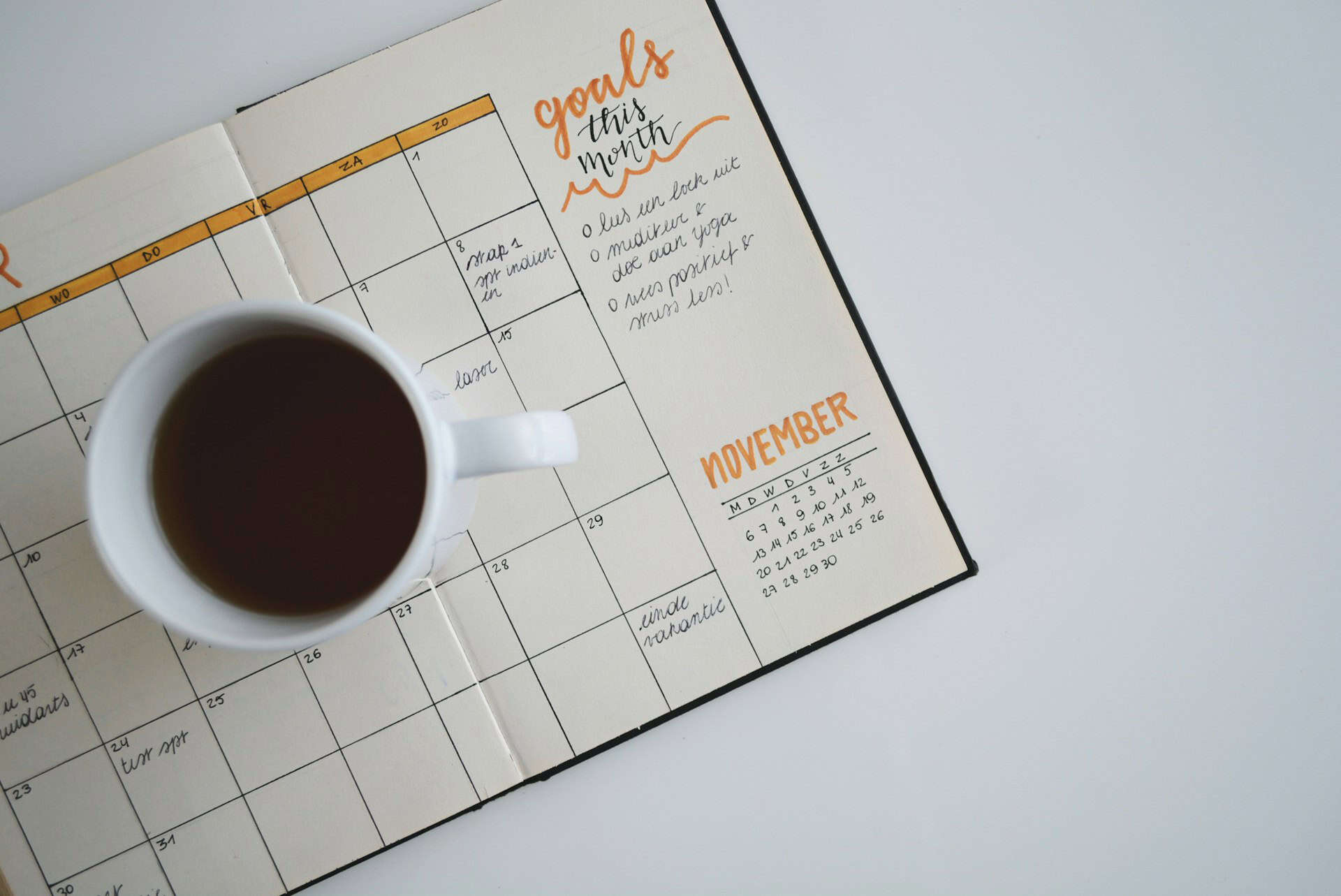
Table of Contents
Why Calendars Are Essential for Productivity
Calendars are more than just a place to mark down appointments; they are an essential productivity tool. By visually organizing your day, week, or month, a calendar helps you prioritize tasks, set realistic goals, and keep track of deadlines. Without a calendar, it’s easy to feel overwhelmed by the sheer number of tasks that need to be completed, and you may find yourself missing important deadlines.
Using a calendar provides structure and clarity, allowing you to break down larger projects into manageable chunks. By seeing your day mapped out ahead of time, you can allocate your time wisely and avoid procrastination. Additionally, calendars help you anticipate busy periods, allowing you to plan ahead and reduce stress.
Different Types of Calendars to Suit Your Needs
There are many types of calendars available, each with unique features that can cater to different needs. Here are a few options:
- Digital Calendars: Tools like Google Calendar, Apple Calendar, and Microsoft Outlook offer seamless integration with your devices. These digital calendars allow you to set reminders, share events with others, and access your schedule on the go. They also come with features like color coding, which can help differentiate between types of events, such as work meetings, personal appointments, and social gatherings.
- Physical Calendars: Some people prefer the tactile nature of physical calendars. Wall calendars, desk calendars, and planners offer a more hands on approach to time management. They serve as constant visual reminders, making it easy to track your progress and stay on top of upcoming events. Plus, writing things down can help with memory retention.
- Specialized Calendars: For those with specific needs, there are specialized calendars, such as fitness calendars, academic calendars, or work schedules. These calendars are designed to help you focus on particular goals, whether it’s tracking workouts, marking important school deadlines, or organizing your work related tasks.
How to Use a Calendar for Effective Time Management
Simply owning a calendar won’t automatically make you more organized. To truly benefit from your calendar, you need to use it strategically. Here are some tips to get the most out of your calendar:
- Set Priorities: When scheduling your day, prioritize tasks by their level of importance. Ensure that your most pressing tasks are scheduled first, followed by less urgent ones. This helps you focus on what truly matters and prevents you from feeling overwhelmed.
- Be Realistic with Time: It’s easy to overestimate how much time you have. Be realistic about how long each task will take, and try to avoid overloading your schedule. Remember that unexpected events can arise, so leave some buffer time between appointments.
- Use Color Coding: If you’re using a digital calendar, take advantage of color-coding to differentiate between various categories of tasks. For example, you can use one color for work meetings, another for personal appointments, and yet another for family events. This simple system makes it easy to glance at your calendar and know exactly what’s coming up.
- Set Reminders: Setting reminders for your appointments, meetings, and deadlines is a great way to stay on track. Most digital calendars allow you to set multiple reminders whether it’s a day before, an hour before, or 10 minutes before your event.
- Review Weekly: At the start of each week, take some time to review your calendar and make adjustments as needed. This allows you to stay flexible and ensure you haven’t missed any important tasks.
The Benefits of Digital Calendars in the Modern Age
While traditional paper calendars still hold value, digital calendars have become increasingly popular due to their convenience and integration with other tools. One of the main advantages of digital calendars is their accessibility. With a digital calendar, you can easily access your schedule from your phone, tablet, or computer making it perfect for people who are always on the go.
Another benefit is the ability to share events with others. Whether it’s scheduling a meeting with colleagues or coordinating a family gathering, digital calendars make collaboration easy. They also allow you to set reminders that sync across all your devices, so you never forget important events.
Finally, many digital calendars come with additional features, such as integrations with productivity apps, AI powered scheduling assistants, and weather updates. These features can enhance your overall productivity by offering timely information, suggesting optimal meeting times, and more.
The Future of Calendars: AI Integration and Beyond
As technology advances, we’re starting to see AI and other innovative tools integrate with calendars to make them even more efficient. A music AI, for example, is now being used to suggest the perfect playlist for different activities or time slots on your calendar, helping you stay focused or relaxed during your daily tasks.
AI powered calendars are also being developed to automatically schedule meetings based on participants’ availability, making scheduling even easier. These intelligent systems can suggest times that work for everyone, avoiding the back and forth emails typically involved in the process.
Conclusion: Calendars Are Key to Success
Calendars are more than just tools to keep track of time; they are an essential part of effective time management and productivity. Whether digital or physical, calendars provide structure and clarity, allowing you to organize your life, set priorities, and reduce stress. By using your calendar strategically and taking advantage of the features offered by digital systems, you can unlock the full potential of this powerful tool.
No matter your lifestyle, there’s a calendar system out there that can help you stay organized and focused. Start today by finding the calendar that works best for you and experience the difference it can make in your daily routine.